Branding & packaging
Skincare Brand Identity Ideas: A Founder's Guide to Standing Out
If you've typed "skincare brand identity ideas" into a search bar, you're probably staring at a blank page wondering how to turn a product idea into something people actually remem
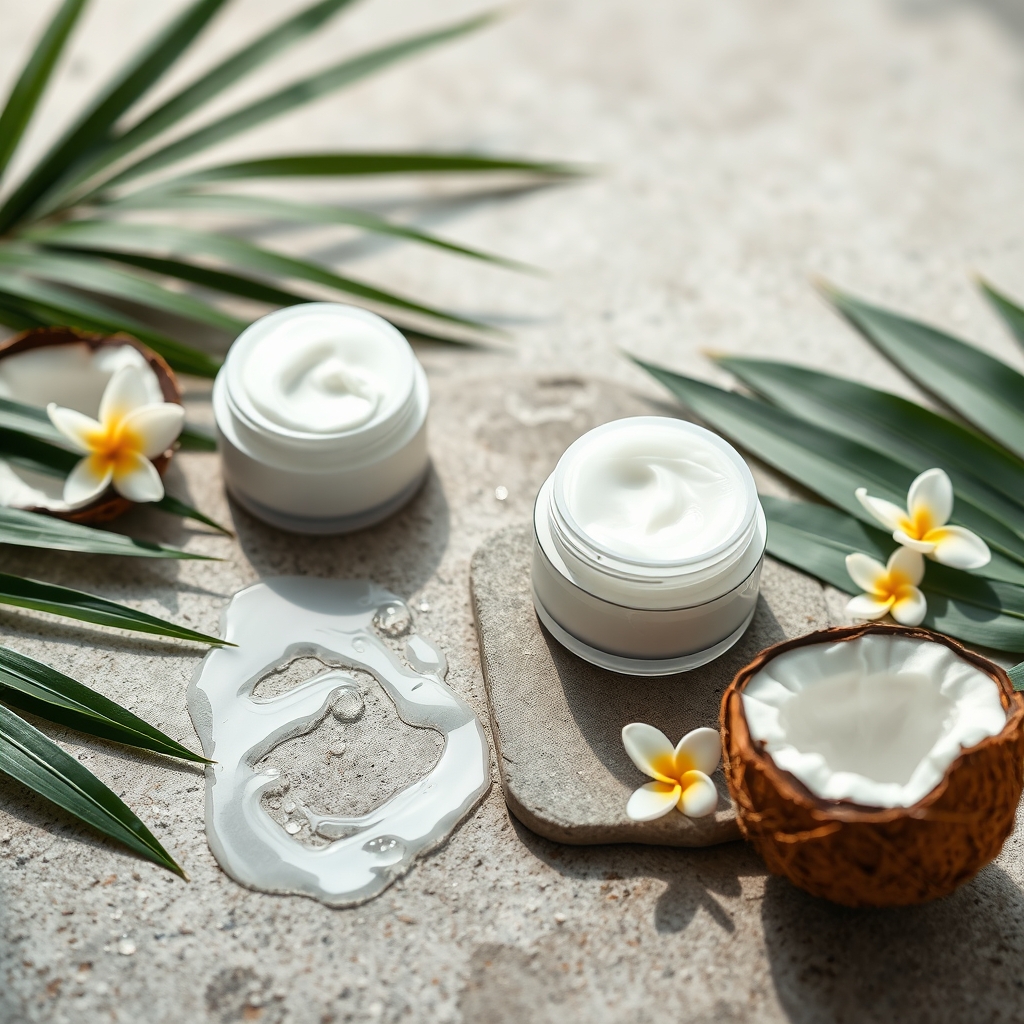
If you've typed "skincare brand identity ideas" into a search bar, you're probably staring at a blank page wondering how to turn a product idea into something people actually remember. That's normal. Most first-time founders think brand identity means a logo and a nice font — but it's really the sum of every decision a customer notices before they even read your ingredient list. This guide walks through the pieces that matter most, in the order you'll actually need to decide them, with honest notes on where the trade-offs sit.
Start with who the brand is for, not what it looks like
It's tempting to open Pinterest and start collecting color palettes, but identity work goes faster and costs less rework if you nail the audience first. A skincare line for new parents (a baby skincare line, for instance) needs a completely different visual and verbal tone than one aimed at estheticians running a spa, or one built around a creator's personal following. Ask yourself: who is this for, what do they already trust, and what do they currently buy instead of you? Write this down in plain language before touching design software. Everything else — name, colors, packaging, scent — should be a logical answer to that question, not a guess.
Name, voice and visual language need to agree with each other
A clinical, ingredient-forward name paired with playful cartoon packaging confuses people, even if each piece is well designed on its own. Pick one register — clinical, soft and natural, playful, or luxury minimal — and carry it through the name, the tone of your product copy, and the visual style. For a baby skincare line, this usually means softer language, rounded typography and pastel or muted tones, since parents are reading labels for reassurance, not excitement. For a spa-focused or professional range, cleaner typography and restrained color signal competence. Write a short one-paragraph brand voice note for yourself early — it saves a lot of back-and-forth with designers and printers later.
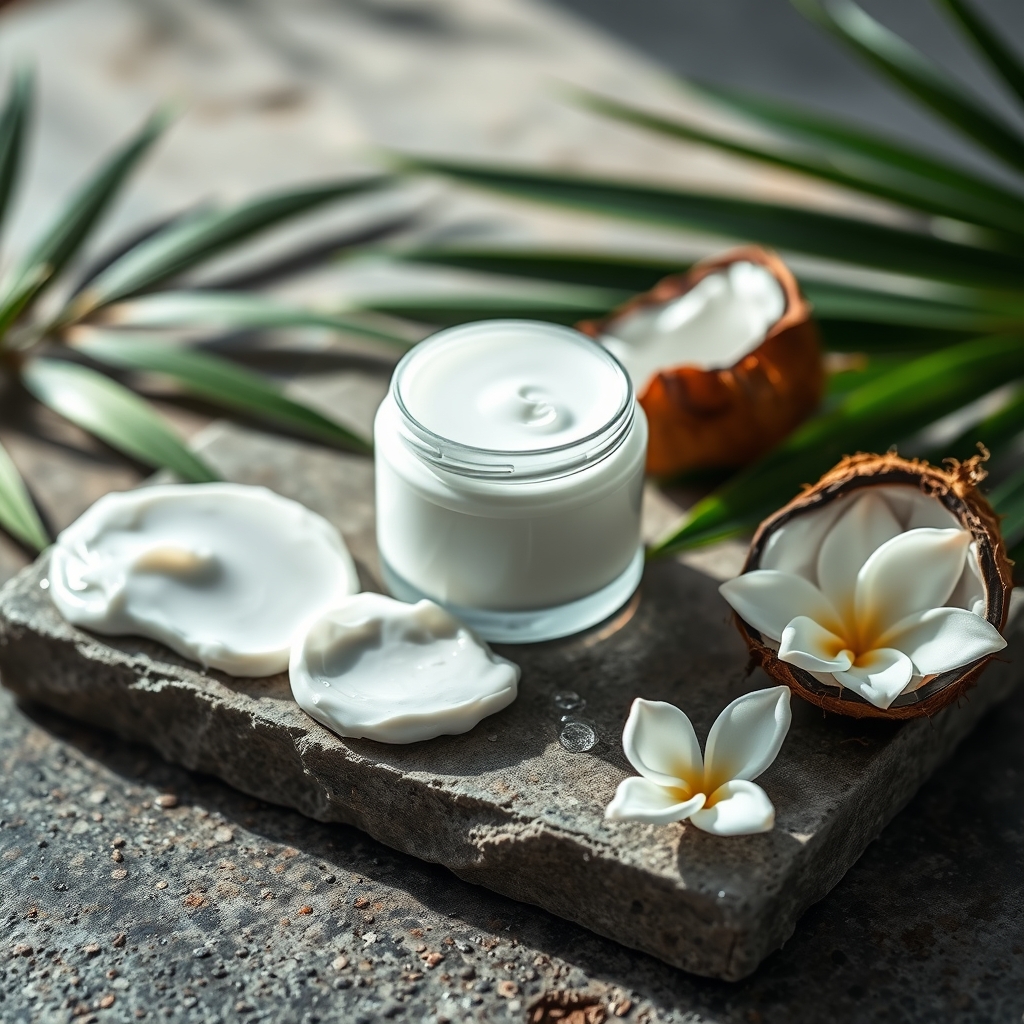
Scent is part of your identity, not an afterthought
Founders often finalize packaging and copy, then treat fragrance as a last-minute checkbox. But scent is one of the fastest ways customers form an emotional association with a brand, often faster than visuals. If budget allows, developing a signature scent for your core products — something consistent across a cleanser, serum and body product, for example — gives the line a recognizable identity that's hard for a copycat to replicate quickly. This doesn't have to happen on day one; it can be phased in once your first SKUs are selling. Just know that scent decisions interact with formulation and stability, so they need to be flagged early with whoever is sourcing your products.
Packaging choices say more than most founders expect
Packaging is often the first physical touchpoint a customer has with your brand, and it quietly communicates positioning before anyone reads the label. Glass jars suggest a premium, slower-paced ritual; airless pump bottles suggest a more technical, efficacy-driven product and also help protect actives from oxidation, which matters for serums and anything with unstable ingredients. Matte finishes and muted tones tend to read as natural or minimal; glossy finishes and bold color tend to read as younger or more playful. None of these are universally 'better' — the right private label packaging choice depends on your audience, your formulation's sensitivity, and your budget, since custom tooling and finishes cost more than stock options. It's worth discussing packaging early with whoever is helping you source, rather than designing a label first and hunting for a bottle that fits later.
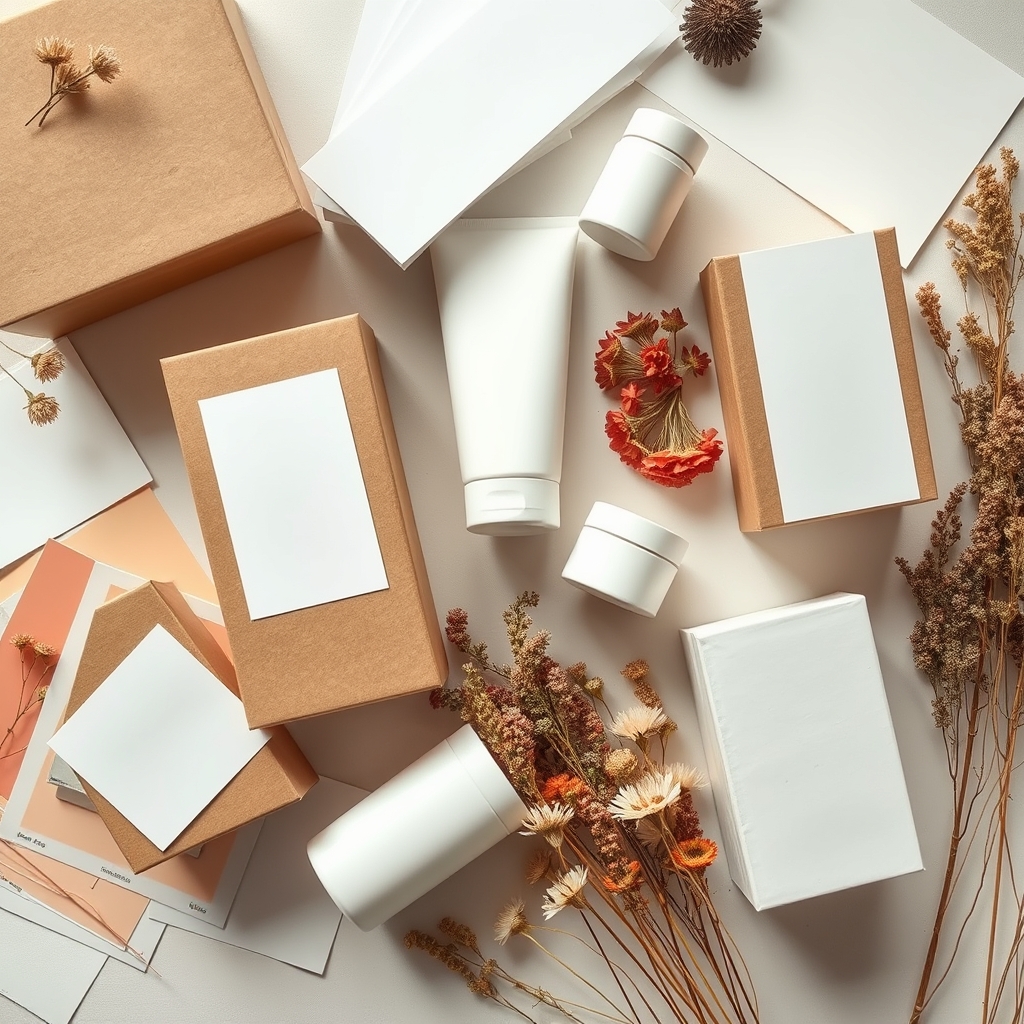
Build a simple identity system you can actually maintain
A full brand book with twelve color variants sounds impressive, but most new founders don't have the bandwidth to maintain it. Instead, decide on: one primary color plus one accent, one typeface family, one tone of voice, and consistent photography style (studio white background vs. lifestyle, for example). Apply that same system to your packaging, your website, and your social posts so a customer recognizes you across channels without reading the name. Platforms like 5FINE focus on helping founders turn these early identity decisions into sourced, manufacturable products, and it's worth comparing a few sourcing routes — including 5FINE and other private label partners — before committing to one, since fit depends on your product category and volume.
Expect trade-offs, and decide them on purpose
Every identity decision trades something against something else. A premium glass jar looks better on a shelf but adds shipping weight and breakage risk for online-only shops. A highly specific niche identity (say, a baby skincare line with a very narrow age range) can build loyalty fast but limits how easily you expand later. A bold signature scent helps recognition but can alienate customers with sensitivities if it's not optional across your range. There's no universally correct answer — the goal is to make these trade-offs consciously, with your actual audience and budget in mind, rather than discovering them after packaging is already printed.
Need expert support?
Leave your details and our team will get back to you.
FAQ
Frequently asked questions
Do I need a professional designer to build a skincare brand identity?
Not necessarily at the very start — you can sketch the basics (name, tone, color direction) yourself. But once you're finalizing packaging artwork and labels for production, a designer familiar with print and regulatory label requirements usually saves money by avoiding reprints.
How important is packaging compared to the formula itself?
The formula is what brings customers back, but packaging is often what gets them to try the product in the first place. Both matter, and they influence each other — for example, certain formulations are better suited to airless pump bottles than open jars.
Can I add a signature scent later if I launch without one?
Yes, many founders phase this in once core products are selling. Just raise it early with your sourcing or manufacturing partner, since scent can affect formulation and shelf stability.
Is it worth building a niche identity like a baby skincare line versus a general skincare brand?
A focused niche can help you stand out and build trust faster with a specific audience, but it can also limit expansion later. It's a trade-off worth thinking through against your longer-term plans, not just your first product.
Prepared by the Private Label Thai team for informational purposes. Some links may lead to referred partners.
Articles
Related articles

How to Start a Wellness Brand: A Founder's Honest Roadmap
If you've been searching how to start a wellness brand, you've probably noticed two kinds of advice: vague inspiration ("follow your passion!") or overwhelming checklists with numb
The Best First Product for a Beauty Brand: How to Choose Yours
There is no single best first product for a beauty brand, but there is a best first product for your brand — and it is usually not the one founders fall in love with first.
Skincare Brand Launch Checklist: 6 Stages, In Order
A skincare brand launch checklist is only useful if it is in the right order, because half the mistakes first-time founders make are sequencing mistakes.