Starting a brand
How to Start a Wellness Brand: A Founder's Honest Roadmap
If you've been searching how to start a wellness brand, you've probably noticed two kinds of advice: vague inspiration ("follow your passion!") or overwhelming checklists with numb
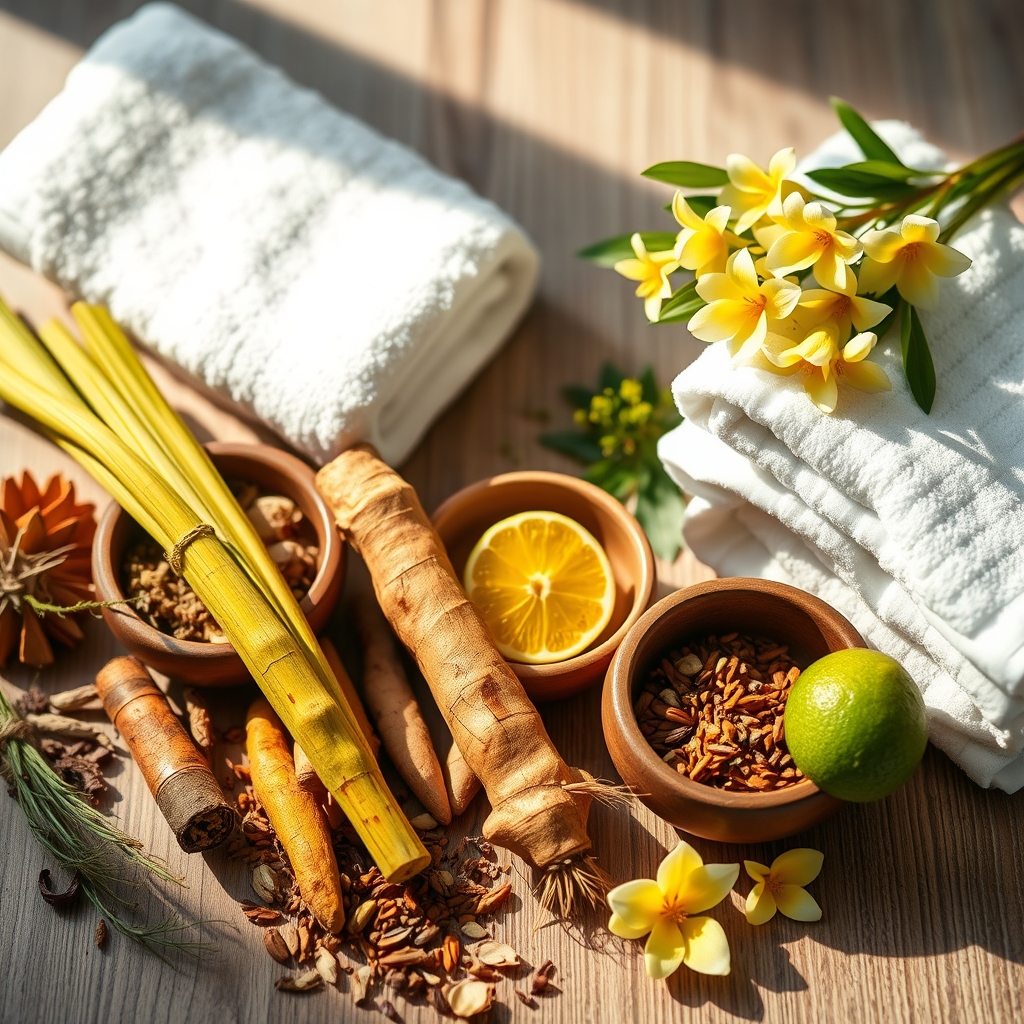
If you've been searching how to start a wellness brand, you've probably noticed two kinds of advice: vague inspiration ("follow your passion!") or overwhelming checklists with numbers that feel made up. Neither helps when you're trying to decide what to actually do this month. This guide skips the hype. We'll walk through the real sequence — product, formula, packaging, paperwork, and launch — with the trade-offs made explicit, so you can start your own brand with eyes open rather than guessing your way through it.
1. Get honest about why 'wellness' needs a sharper focus
Wellness is a broad category — supplements, body care, aromatherapy, sleep aids, functional skincare. Before anything else, narrow it to a problem you understand well, ideally one you or your early customers already care about. A brand built around 'sleep support for shift workers' is easier to formulate, photograph, and market than 'general wellness.' This isn't just a marketing exercise — your focus determines which manufacturers, ingredients, and claims are even relevant to you. Spend real time here; it's the cheapest stage to change your mind.
2. Decide between off-the-shelf and custom formula
There are two practical paths to a first product. One is selecting from a manufacturer's existing formulations and private-labeling them with your branding — faster, lower-risk, and a reasonable way to test the market. The other is working with a lab on a custom formula built around specific actives, textures, or claims you want to own. Custom gives you differentiation but adds time for R&D rounds and usually a higher budget commitment. Many first-time founders start with an existing formulation to get to market, then move to custom once they understand their customers and cash flow better. Neither choice is wrong — just be clear on which trade-off you're making and why.

3. Understand MOQ and what it means for your budget
Most private label and OEM manufacturing runs on a standard MOQ of 1,000 units per SKU. That number shapes almost every decision after it — how many SKUs you launch with, how much capital you tie up in inventory, and how long it takes to sell through before reordering. A common beginner mistake is launching with five SKUs at once because it 'looks like a real brand,' when one well-chosen product at 1,000 units is far more manageable financially and operationally. Pricing varies by product and order size, so treat any quote as the starting point for a conversation, not a fixed number you should expect to see published anywhere.
4. Sourcing: why global sourcing changes your options
Where you manufacture affects cost, lead times, ingredient availability, and what certifications come standard with a product. Thailand has a mature contract manufacturing base for beauty and wellness, which is why many independent founders look there even when they're based elsewhere — it's part of a broader pattern of global sourcing that lets small brands access factory-grade production without owning a factory. If certifications matter for your target market, ask which documentation is available for the specific item you're ordering, since this is provided per product rather than guaranteed across an entire catalogue. And always check import rules with the relevant customs authority in your destination market before committing to a product category.

5. Packaging and brand building happen in parallel, not after
A common sequencing mistake is finalizing the formula, then starting on branding as a separate, later project. In practice, packaging constraints (bottle shapes a factory already tools for, label materials that suit humid or cold storage) should inform your design work from day one, and your brand building — name, visual identity, tone of voice — should inform which product variants you even bother launching. Platforms like 5FINE exist precisely at this intersection, offering private label product selection alongside packaging options, so founders can make branding and manufacturing decisions together rather than bouncing between separate vendors.
6. Paperwork, pricing, and the actual launch
Before you take payments, you'll need the unglamorous basics sorted: business registration appropriate to your market, product labeling that matches what's actually in the formula, and a pricing structure that accounts for unit cost, shipping, and your margin — not just what competitors charge. Lead times, final costs, and documentation are confirmed at the quoting stage for your specific product and destination, so build your launch calendar around a conversation with your manufacturer rather than an assumption. Comparing a couple of sourcing options side by side, whether that's 5FINE or another manufacturer that fits your product category, is a reasonable way to sanity-check pricing and terms before you commit.
Need expert support?
Leave your details and our team will get back to you.
FAQ
Frequently asked questions
Do I need a custom formula to start a wellness brand?
No. Many founders start with an existing formulation they private-label, which is faster and lower-risk, then move to a custom formula once they have a clearer sense of their customers and budget.
How many products should I launch with?
There's no universal number, but since MOQ is typically 1,000 units per SKU, starting with one or two well-chosen products is usually easier to manage financially than launching a full line at once.
What does global sourcing actually involve for a small brand?
It means working with manufacturers outside your home country to access production capability, ingredients, or cost structures you couldn't get locally. It adds steps like shipping and customs, so check requirements with your destination country's customs authority early.
How long does it take to launch a wellness brand?
Timelines depend heavily on whether you choose an existing formula or a custom one, your packaging choices, and your destination market's requirements. Your manufacturer will confirm realistic timing once they know your specific product and order details.
Prepared by the Private Label Thai team for informational purposes. Some links may lead to referred partners.
Articles
Related articles
The Best First Product for a Beauty Brand: How to Choose Yours
There is no single best first product for a beauty brand, but there is a best first product for your brand — and it is usually not the one founders fall in love with first.
Skincare Brand Identity Ideas: A Founder's Guide to Standing Out
If you've typed "skincare brand identity ideas" into a search bar, you're probably staring at a blank page wondering how to turn a product idea into something people actually remem
Skincare Brand Launch Checklist: 6 Stages, In Order
A skincare brand launch checklist is only useful if it is in the right order, because half the mistakes first-time founders make are sequencing mistakes.