Launch & marketing
Skincare Brand Launch Checklist: 6 Stages, In Order
A skincare brand launch checklist is only useful if it is in the right order, because half the mistakes first-time founders make are sequencing mistakes.
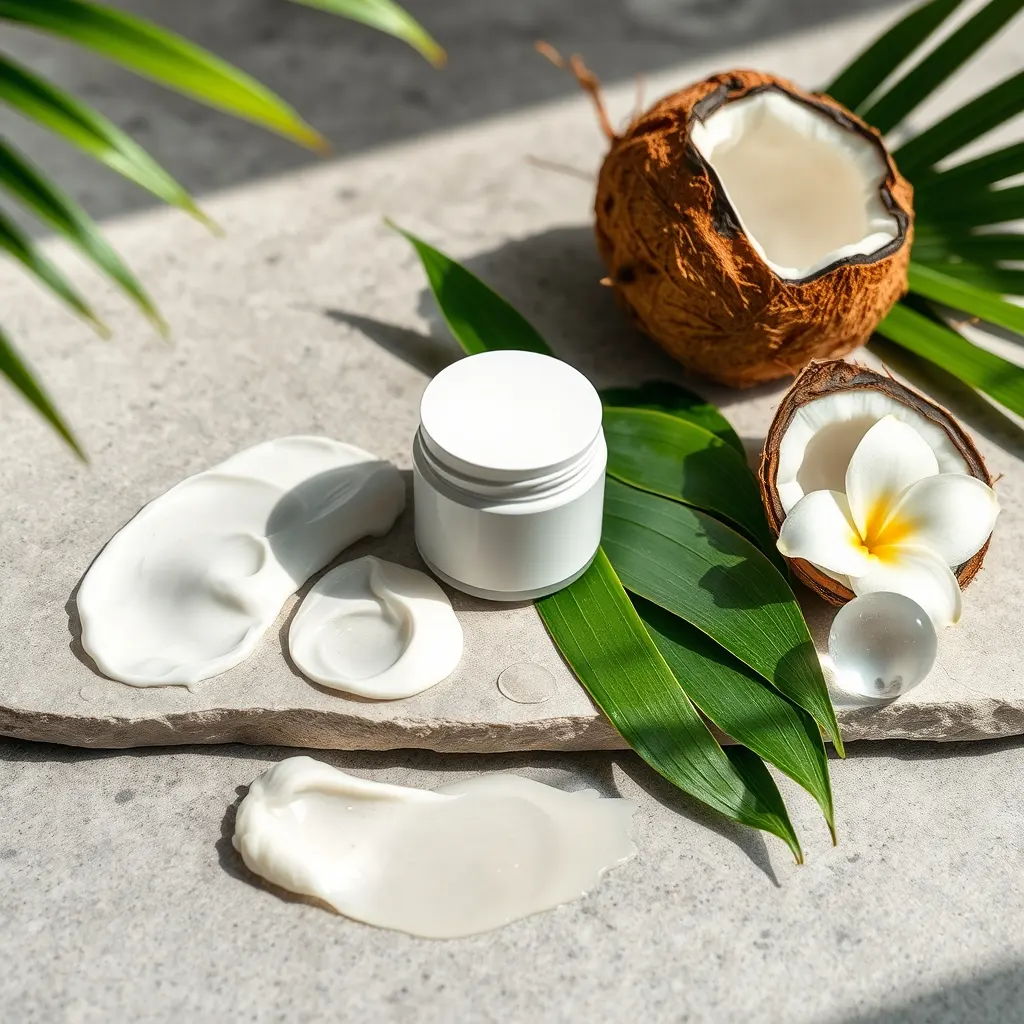
A skincare brand launch checklist is only useful if it is in the right order, because half the mistakes first-time founders make are sequencing mistakes rather than knowledge gaps. Printing labels before documents are accepted, choosing a bottle before the formula is settled, building a website before there is a product to photograph — each of these costs money that did not need to be spent. This checklist walks the six stages in the order they actually have to happen, with the decisions each stage locks in.
Stage 1: Decide who the brand is for, and what it sells
This stage costs almost nothing and determines almost everything. Skipping it is why some brands end up with a beautiful product nobody specifically wants.
Work through four questions and write the answers down in plain sentences, not marketing language.
- **Who is the customer?** Not a demographic range — a describable person with a skin concern, a budget and a shopping habit. "Women 18 to 45" is not an answer.
- **What problem does the first product solve?** One problem. First products that try to solve three tend to convince nobody.
- **Where will they buy it?** Your own store, a marketplace, physical retail, or through a clinic or salon. This choice shapes pricing, packaging and how much inventory you need.
- **Why you rather than an established brand?** Price is the weakest answer. A specific formulation angle, a community you already have, or access to a channel nobody else serves are all stronger.
Then decide your opening range. One hero product plus one supporting product is a common and sensible starting shape: enough to look like a brand, small enough to fund and manage. Resist a five-SKU launch. Every additional product multiplies development work, compliance work, photography, inventory and the chance that your capital is tied up in the one that does not sell.
One more decision belongs here, before anyone quotes you anything: are you building a skincare line only, or will you later extend into adjacent categories such as beauty supplements? Knowing this early affects your brand name, your visual identity and how you register your trademark.
Stage 2: Choose your product route and lock the formula
There are three routes to a finished product, and they differ enormously in cost, speed and how much of the result is uniquely yours.
- **Adopt an existing formula.** The lab already has it developed, tested and documented. Lightest budget, fewest sample rounds, fastest path to a sellable product. The trade-off is that the formula is not exclusive to you, so your differentiation has to come from brand, packaging and audience.
- **Adjust an existing formula.** Keep the base, change the texture, fragrance or one active. Moderate cost, and a useful middle path — but understand that each change can restart part of the testing.
- **Develop a custom formula.** Built from your brief. Most expensive, most sample rounds, and the only route that gives you a product nobody else sells.
For a first brand with limited capital, adopting or lightly adjusting is usually the right call. Keep the custom route for your second-generation hero product, once revenue exists to fund it.
Whatever route you choose, this stage ends with a locked formula. "Locked" means you have approved a sample you are happy to sell, in the container you intend to use, and the stability and compatibility work has been done or scheduled. Review samples on your own skin over several days, in your actual climate, and get a handful of people from your target audience to try them. Approving a sample after one application is how brands discover texture problems from customer reviews instead of from testing.
Do not move to artwork or marketing until this stage closes. Everything downstream assumes the formula is final.

Stage 3: Packaging, components and artwork
Packaging is where budgets most often break, because founders price the bottle and forget that packaging is a stack of separate costs.
Your component list:
- Primary container — bottle, jar, tube, airless pump or dropper.
- Closure, overcap and any inner seal or applicator.
- Decoration — printing, hot stamping, coating or sleeve.
- Label — material, lamination, cutting die.
- Secondary packaging — carton, insert, outer shipper.
- Tooling — print plates, or a mould if you want a custom shape.
Two technical constraints override aesthetics. Compatibility: the formula and the container must not interact, which is why compatibility testing is run on your actual chosen component. And protection: light-sensitive actives do not belong in clear glass, however good it looks in product photos.
For private label packaging, stock components with good decoration give you a credible, well-finished product without tooling investment, and that is where the large majority of first brands should start. A custom mould is a long-term commitment to one shape and a cost that is hard to justify before you know the product sells.
Artwork comes last in this stage, not first, because it depends on mandatory label content that is only confirmed in stage four. Design the layout now; hold the print order. Also account for weight: heavy glass raises freight and breakage cost on every unit shipped, which can quietly change your unit economics more than the component price suggests.
Stage 4: Compliance, documents and label content
This is the stage that decides whether you can legally sell, and it is the one most commonly started too late. Begin it in parallel with stage three, not after.
The work usually involves three strands:
- **A product dossier** containing formula and safety information, prepared with your manufacturing partner.
- **Label content** meeting your market's rules for ingredient listing, net content, batch and expiry marking, responsible-person or importer details, and warnings.
- **A notification or registration step** with the relevant authority before the product goes on sale.
Requirements differ by market and they change, so verify current rules with the authority in each market where you intend to sell, or with a licensed regulatory consultant. Treat any guidance you read online, including this article, as a starting point for that conversation rather than a substitute for it.
Three practical rules that save real money:
- **Do not print labels at volume until your documentation is accepted.** Mandatory wording can change; printed stock cannot.
- **Review your claims before you commit to them.** Anything measurable you say about what the product does may need evidence behind it. Rewriting a claim to what you can support is far cheaper than testing to prove one you did not need.
- **Get the responsibility split in writing.** Ask your manufacturer explicitly which documents they prepare and which remain yours. That boundary is the single largest source of late surprises for first-time founders.
If you plan to sell in more than one country, confirm whether your label can carry all markets or whether you need separate artwork — that answer affects your print quantities.
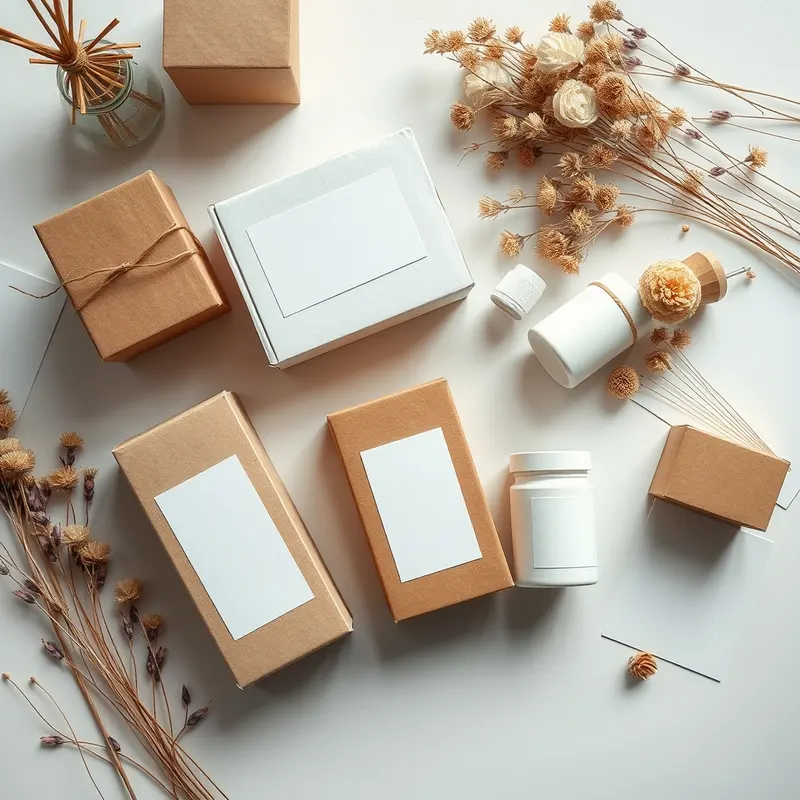
Stage 5: Pricing, channel setup and launch assets
With a real product specification in hand, you can finally price properly — meaning from landed cost upward, not from a competitor's shelf price downward.
Build your cost per unit from: bulk formula, every packaging component, filling and assembly, cartons, freight, duties and taxes, plus an allowance for damage and for units that leave as samples without revenue. Then layer on channel costs: platform commission, payment fees, shipping to the customer, packaging materials, and returns. Only then set a price and check that the margin survives all of it.
A common trap: a markup that looks healthy on goods cost alone can disappear entirely once marketplace commission and customer shipping are included. Run the calculation for each channel separately, because the same product can be profitable in one and loss-making in another.
The assets you need before launch day:
- Product photography — clean product shots, in-use images, and texture shots. This is not optional; it is the main thing customers judge.
- Short-form video, because almost every channel now rewards it.
- Product page copy, with claims that match what your documentation supports.
- Ingredient and usage information, which reduces pre-sale questions.
- Shipping materials that protect liquids and glass in transit.
- A simple answer to "how do I use this" that fits on the pack.
Budget for marketing separately from product. A brand with inventory and no attention budget is a brand with inventory.
Stage 6: Launch, learn, and fund the reorder
Launch is the beginning of the information phase, not the end of the project. Plan the first few months as a learning exercise with a budget attached.
What to do in the first weeks:
- **Seed the product to real users** and collect structured feedback on texture, scent, packaging and results. Ask specific questions; "what did you think?" produces nothing usable.
- **Watch where people drop off** — product page, price, shipping cost, or checkout. Each has a different fix.
- **Track returns and complaints by cause**, not as a single number. Leaking caps, broken glass and disappointing texture are three different problems with three different owners.
- **Keep every batch record and document** in one place. You will need them for your second production run and for any market expansion.
The discipline that separates brands that survive: fund the second production run before you need it. If the first run sells, you will have to pay for the next one before the cash from the first has fully returned. Brands that only budget for run one go out of stock exactly when demand proves itself, and regaining attention costs more than holding it ever did.
When you do reorder, resist the urge to add three new products at once. Strengthen what works — better photography, a second size, a refill — before widening the range. Expansion is cheaper and safer once one product is reliably profitable.
Need expert support?
Leave your details and our team will get back to you.
FAQ
Frequently asked questions
How many products should I launch with?
One hero product plus one supporting product is a sensible shape for a first launch. It reads as a brand rather than a one-off, but keeps development, compliance, photography and inventory manageable. Every extra SKU multiplies work and capital tied up in stock, and first-time founders rarely know yet which product will actually sell.
Can I design my packaging before the formula is final?
You can develop the visual direction, but do not order components or print labels. The container must be compatibility-tested with the final formula, and mandatory label content is only confirmed during your compliance work. Founders who print early usually print twice, which is one of the most avoidable costs in a first launch.
Is a custom formula worth it for a first brand?
Usually not as a starting point. It is the most expensive and slowest route, and it consumes capital that a new brand needs for inventory and marketing. A common pattern is to launch with an adopted or lightly adjusted formula, prove the audience and the channel, then invest in a custom formula for the next generation of your hero product.
What is the most commonly missed item on a launch checklist?
Working capital for the second production run. Founders plan the launch budget carefully and treat the reorder as a problem for later, then discover that selling out means paying for new stock before the first run's cash has come back. Add the second run to your plan from the start, even as a rough figure.
Prepared by the Private Label Thai team for informational purposes. Some links may lead to referred partners.
Articles
Related articles
Instagram Marketing for a New Skincare Brand: A Founder's Plan
Instagram marketing for a new skincare brand is less about posting more and more about deciding what the account is for. Most first-time founders post daily for three months, gain a few hundred followers and no customers.
First Production Run Budget for a Beauty Brand: What to Actually Plan For
If you're trying to pin down a first production run budget for a beauty brand, you've probably noticed that nobody gives you a straight number — and for good reason. The real answe
Salon Retail Products Under Your Own Label: What to Launch First
Selling salon retail products under your own label is one of the few ways a treatment business can earn without adding chair hours