Starting a brand
Steps to Launch Your Own Makeup Line: A Founder's Roadmap
Every makeup brand you admire today started with someone staring at a blank page, unsure where to even begin. If you're searching for the steps to launch your own makeup line, you'

Every makeup brand you admire today started with someone staring at a blank page, unsure where to even begin. If you're searching for the steps to launch your own makeup line, you're probably juggling a hundred questions at once: what products to start with, how much to budget, who makes the formula, and how to make it all look professional. This guide walks through the real sequence of decisions — not hype, not shortcuts — so you can move from idea to shelf with fewer surprises.
Step 1: Decide What You're Actually Selling
Before you think about logos or launch parties, narrow down your product focus. A makeup line usually starts small — one or two hero items like a lip tint, a cream blush, or a setting spray — rather than a full 20-SKU catalog. Trying to launch everything at once stretches your budget thin and makes it harder to tell what's actually working. Ask yourself: who is this for, what problem does it solve, and what makes it different from what's already on shelves? This clarity shapes every decision that follows, from formula selection to packaging to pricing.
Step 2: Understand Private Label vs. Custom Formulation
Most first-time founders go the private label route rather than building a formula from scratch, simply because it's faster and more predictable in cost. Private label means you're selecting from existing, tested formulas and branding them as your own — this applies to makeup just as much as it does to private label skincare. The trade-off is less exclusivity (other brands may use similar base formulas), but you gain speed, lower development risk, and the ability to test the market sooner. If uniqueness matters a lot to your positioning, ask your supplier about customization options within their existing formula range, such as shade, scent, or texture tweaks.
Step 3: Budget Realistically, Including MOQ
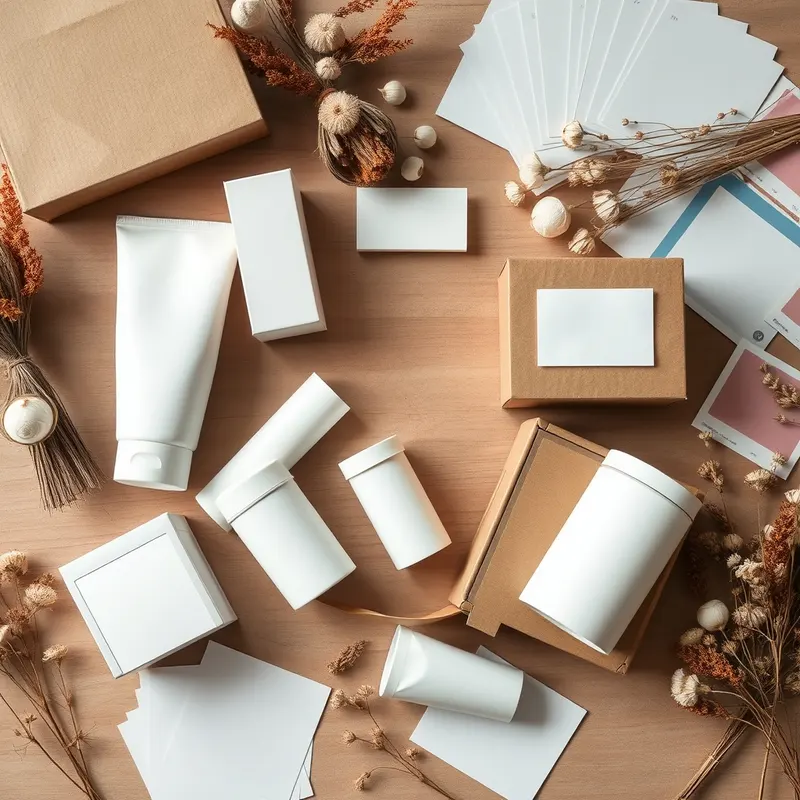
One of the biggest surprises for new founders is minimum order quantity. For private label manufacturing, the standard is 1,000 units per SKU — this is the figure to plan around rather than hoping for something lower. That means if you want three products at launch, you're budgeting for 3,000 units total, plus packaging, plus any testing or documentation your supplier provides. Costs vary by product and order volume, so rather than guessing, ask for a quote once you've shortlisted your SKUs — a supplier can walk you through what applies to your specific case.
Step 4: Choose Packaging That Matches Your Brand Story
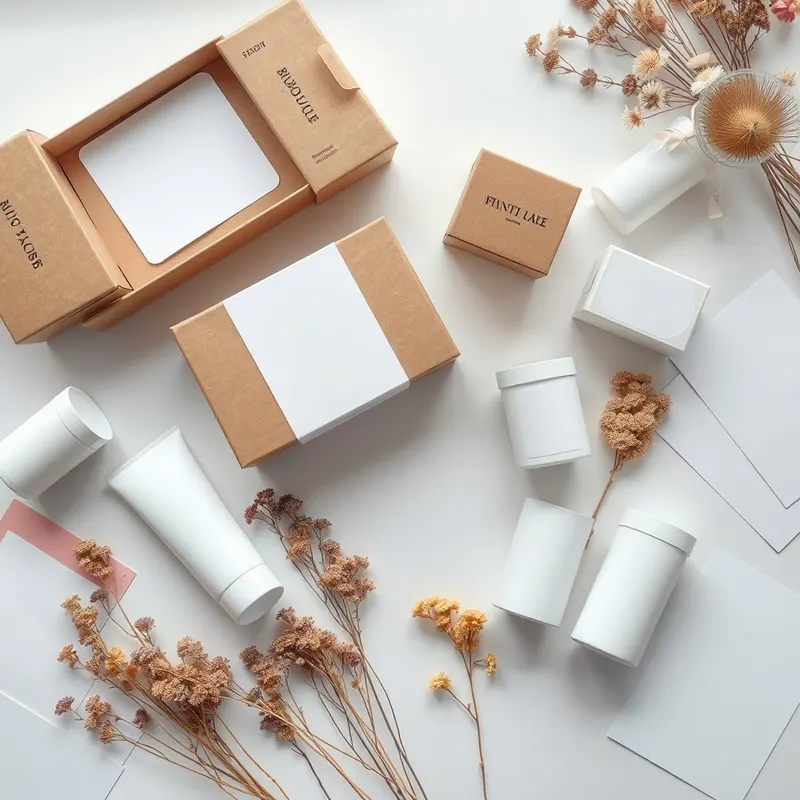
Packaging is where a lot of brand building actually happens — it's often the first physical thing a customer touches, and it signals quality before they even try the product. Private label packaging options range widely: compacts, tubes, jars, and for liquid formulas like serums or primers, airless pump bottles are a popular choice because they protect the formula from air exposure and give a cleaner, more premium dispensing experience. Think about how your packaging will look in photos, how it travels, and whether it fits your price point. This is also the stage where many founders realize packaging decisions and formula choices need to happen together, not separately.
Step 5: Get the Paperwork and Compliance Basics Right
Depending on where you plan to sell, there will be labeling requirements, ingredient disclosures, and sometimes registration steps before you can legally sell. Documentation is typically provided per item when you place an order, so this is something to confirm with your supplier as part of the ordering process rather than an afterthought. For anything specific to your target market, it's worth checking with your local customs or regulatory authority — rules vary enough from country to country that general advice online isn't a substitute for confirming your specific situation.
Step 6: Plan Your Launch and First Sales Channel
Decide early whether you're launching direct-to-consumer online, through a salon or spa relationship, or via a marketplace — each has different packaging, pricing, and inventory implications. A soft launch to a small list or existing audience often reveals more honest feedback than a big splashy release. Keep your first order lean enough that you can learn and adjust for round two, rather than locking a huge amount of capital into untested SKUs.
Need expert support?
Leave your details and our team will get back to you.
FAQ
Frequently asked questions
How many products should my first makeup line include?
Many founders start with one to three hero products rather than a full line. It keeps budget and MOQ commitments manageable while you learn what resonates with customers.
What is the minimum order quantity for private label makeup?
The standard across the industry is 1,000 units per SKU. This applies per product, so plan your total budget based on how many SKUs you want at launch.
Can I customize an existing private label formula?
Often yes, within limits — things like shade range, scent, or texture can sometimes be adjusted. It's best to ask directly about what customization is available for the specific formula you're considering, since this varies by product.
Do I need to handle certifications and regulatory paperwork myself?
Documentation is generally provided per item when you order, and suppliers can share what's available for a given product. For your specific destination market, it's worth checking in with local customs or regulatory bodies to confirm what's required on your end.
Prepared by the Private Label Thai team for informational purposes. Some links may lead to referred partners.
Articles
Related articles

How to Start a Haircare Brand: A First Founder's Roadmap
Haircare is one of the most rewarding first categories and one of the easiest to get wrong, because customers judge it on how their hair feels tomorrow.

How to Start a Body Care Brand: A Founder's Honest Roadmap
So you want to start a body care brand — lotions, scrubs, oils, maybe a signature scent — but you're stuck between a hundred open tabs of "how to" advice that never mentions budget
Lip Care Private Label Ideas: A Founder's Buying Guide
Lip care looks simple from the outside — a balm, a tint, maybe a gloss — but the moment you start sourcing, you realize the details matter: the formula texture, the packaging type,