Starting a brand
How to Start a Body Care Brand: A Founder's Honest Roadmap
So you want to start a body care brand — lotions, scrubs, oils, maybe a signature scent — but you're stuck between a hundred open tabs of "how to" advice that never mentions budget

So you want to start a body care brand — lotions, scrubs, oils, maybe a signature scent — but you're stuck between a hundred open tabs of "how to" advice that never mentions budget or paperwork. This guide walks through the real decisions: what to sell first, how formulas actually get made, what packaging costs in time (not just money), and where the hidden admin work lives. No income promises, no magic timelines — just the sequence that keeps first-time founders from getting stuck halfway.
Step 1: Pick a lane before you pick a product
Body care is a wide category — body lotion, whipped butter, scrub, oil, mist, even private label perfume if you want to extend into fragrance. The mistake most first-timers make is trying to launch five SKUs at once. Start by deciding what problem your customer has (dry skin after sun, stretch marks, a want for a signature scent) and let that narrow your first 2–3 products. A tighter line is easier to brand, photograph, and explain — and easier to reorder once you know what actually sells.
Step 2: Understand custom formula vs. ready-made stock
There are two starting points. One is choosing from existing formulas a manufacturer already has tested and ready — faster, and you can usually see samples before committing. The other is a custom formula built around your brief: a specific texture, scent profile, active ingredient, or finish. Custom takes more back-and-forth (sampling rounds, adjustments) and is worth it when your brand's whole story depends on that formula being different. If you're not sure which route fits your timeline and budget, this is the first thing to raise with your supplier before you lock in packaging or branding.

Step 3: Find and vet your manufacturing partner
Most new founders in this space work with Thai beauty suppliers because Thailand has a mature private label and OEM industry covering skincare, body care, and beauty supplements under one roof — useful if you plan to expand categories later. When vetting a supplier, ask for: product samples, documentation they can share for the specific items you want (not blanket claims), and clarity on how formula changes are handled. 5FINE is one option worth comparing alongside others, particularly if you want a single partner who can also produce fragrance or supplement lines down the road — just make sure you're comparing at least two or three suppliers, not committing to the first one that replies fast.
Step 4: Know the real MOQ before you plan cash flow
Private label manufacturing is not made-to-order one bottle at a time. The standard across the industry is MOQ 1,000 units per SKU — meaning if you want three products, you're generally planning for 3,000 units total, not 300. This number should shape your product count decision in Step 1: better to launch one SKU well than three SKUs half-funded. Pricing itself varies by product, packaging, and quantity, so treat any quote as something to request during formula and packaging discussions rather than a fixed number you can plan around in advance.

Step 5: Packaging and branding — where founders underspend time
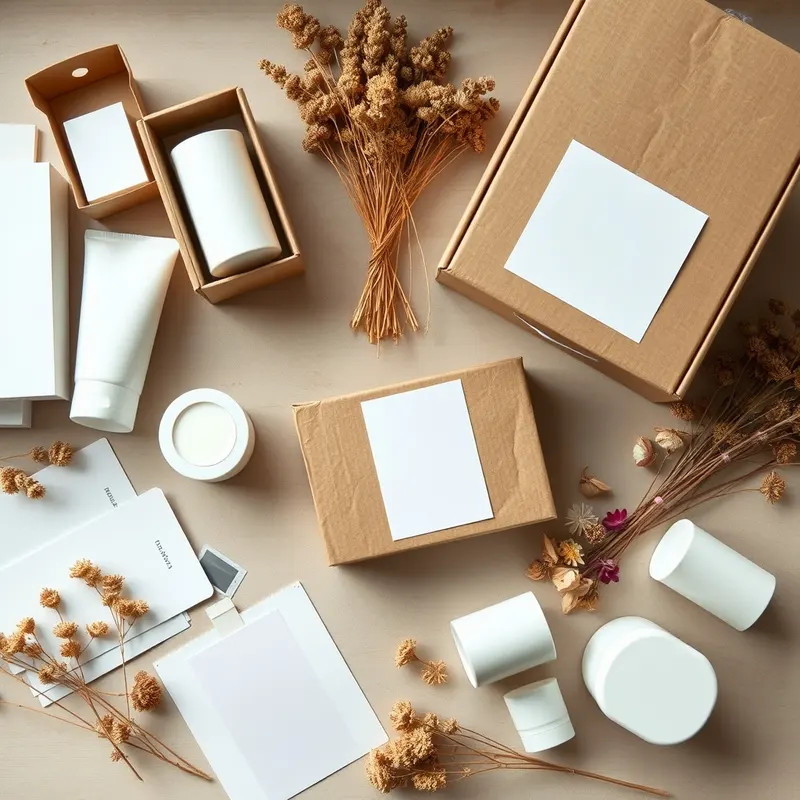
Packaging isn't just a label on a jar. It covers: bottle/jar sourcing, cap and pump compatibility with your formula's viscosity, label artwork, barcode setup, and outer carton if you're shipping wholesale. For body care specifically, pumps and airless packaging need testing with thicker formulas — a scrub or butter behaves differently than a thin lotion. Build in time for a physical sample check before bulk production, not just a digital mockup approval.
Step 6: Paperwork, compliance, and selling across borders
Depending on where you plan to sell, your product category (body care, fragrance, or beauty supplements) may trigger different registration or labeling rules. Supplement products especially tend to carry more regulatory weight than a body lotion. Rather than guessing, check with the customs or regulatory authority in your target market before finalizing labels, and ask your supplier what documentation is provided per item when you place an order — this varies by product, so get specifics rather than a blanket assurance.
Need expert support?
Leave your details and our team will get back to you.
FAQ
Frequently asked questions
Do I need a custom formula to start a body care brand?
No — many founders start with an existing, already-tested formula to launch faster and keep costs predictable, then move to a custom formula for a signature product once they understand their customer better.
What's the minimum order size for private label body care?
The standard across most Thai beauty suppliers is MOQ 1,000 units per SKU. If you want multiple products at launch, plan your budget around that per-SKU minimum rather than a single combined total.
Can the same supplier also make private label perfume or beauty supplements?
Some manufacturers, including 5FINE, cover multiple categories — body care, fragrance, and supplements — which can simplify sourcing if you plan to expand your line later. It's worth asking upfront if this matters to your roadmap.
How do I know if a supplier's claims are trustworthy?
Ask for documentation tied to the specific product you're ordering, not general statements. Request samples, confirm what's provided per item, and compare at least two suppliers before committing.
Prepared by the Private Label Thai team for informational purposes. Some links may lead to referred partners.
Articles
Related articles
How to Start a Haircare Brand: A First Founder's Roadmap
Haircare is one of the most rewarding first categories and one of the easiest to get wrong, because customers judge it on how their hair feels tomorrow.
Lip Care Private Label Ideas: A Founder's Buying Guide
Lip care looks simple from the outside — a balm, a tint, maybe a gloss — but the moment you start sourcing, you realize the details matter: the formula texture, the packaging type,

Instagram Marketing for a New Skincare Brand: A Founder's Plan
Instagram marketing for a new skincare brand is less about posting more and more about deciding what the account is for. Most first-time founders post daily for three months, gain a few hundred followers and no customers.