Regulations
Ingredient Restrictions for Cosmetics Explained: A First-Timer's Guide
If you're planning to start your own brand in beauty or wellness, one question comes up fast: "Can I actually use this ingredient?" Ingredient restrictions for cosmetics explained
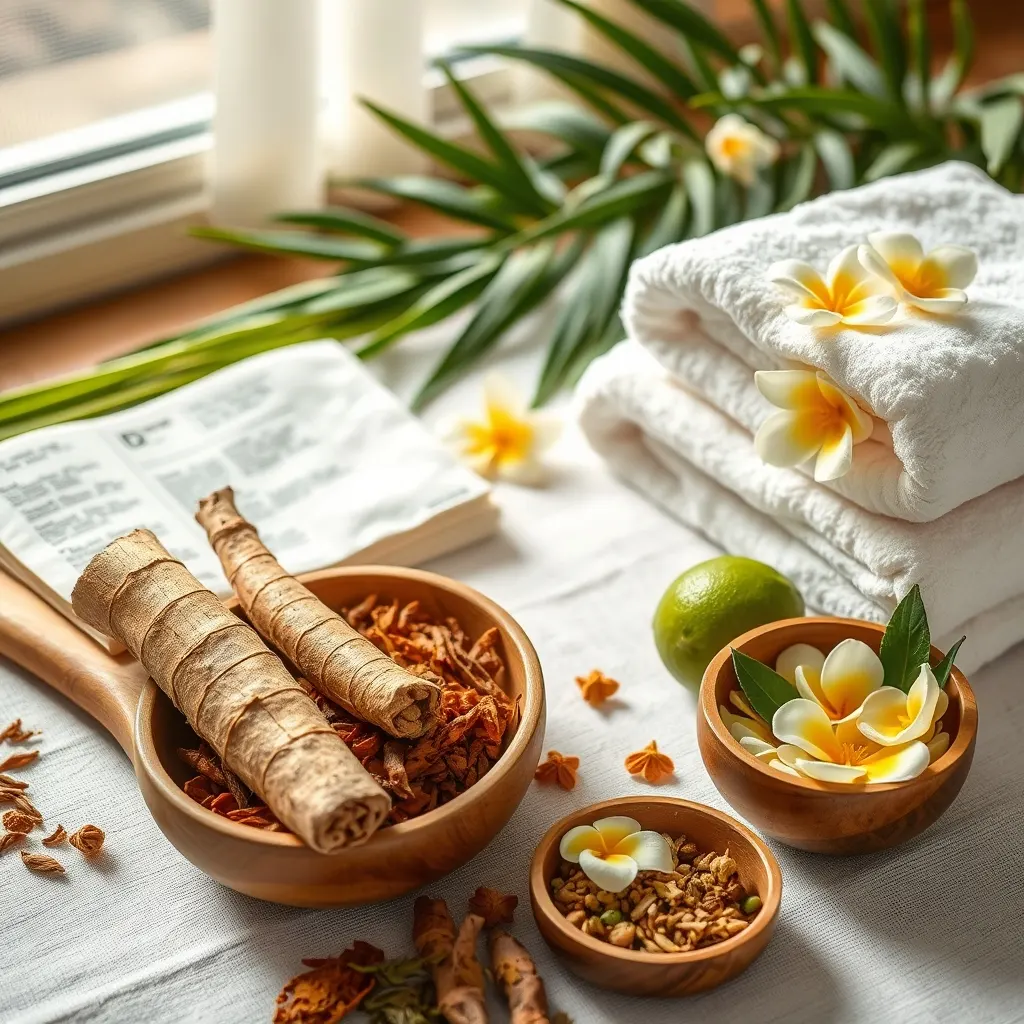
If you're planning to start your own brand in beauty or wellness, one question comes up fast: "Can I actually use this ingredient?" Ingredient restrictions for cosmetics explained simply is exactly what most first-time founders need before they fall in love with a formula that can't legally ship to their target market. This isn't about scaring you off — it's about building your brand on a foundation that won't collapse at customs or on a marketplace review. Below, we walk through what restrictions usually cover, how they differ by market, and how to build this check into your private label process from day one.
Why ingredient restrictions matter more than they seem
When you're deep in brand building — picking your name, your packaging, your story — ingredient compliance can feel like the boring part. But it's the part that determines whether your product can legally sell in your target country at all. Many markets restrict or ban certain preservatives, UV filters, whitening agents, and fragrance allergens above certain concentrations. Others require specific labeling disclosures once an ingredient crosses a threshold. The restrictions aren't universal — a formula perfectly legal in one country may need reformulation for another. This is why 'copy a popular product' rarely works as a shortcut; the underlying formula still needs to pass the rules of wherever you plan to sell.
The categories that usually trigger scrutiny
While exact lists vary by jurisdiction, a few ingredient categories tend to draw attention almost everywhere: preservatives (parabens, formaldehyde-releasers), certain colorants, hydroquinone and other skin-lightening actives, UV filters in sunscreens, and fragrance components linked to allergies. Claims matter too — words like 'anti-aging,' 'whitening,' or 'medical-grade' can shift a product into a different regulatory category depending on the country, sometimes requiring additional testing or documentation. The practical takeaway: check both the ingredient list and the claims on your label before you commit to packaging.
Why working with experienced Thai beauty suppliers helps
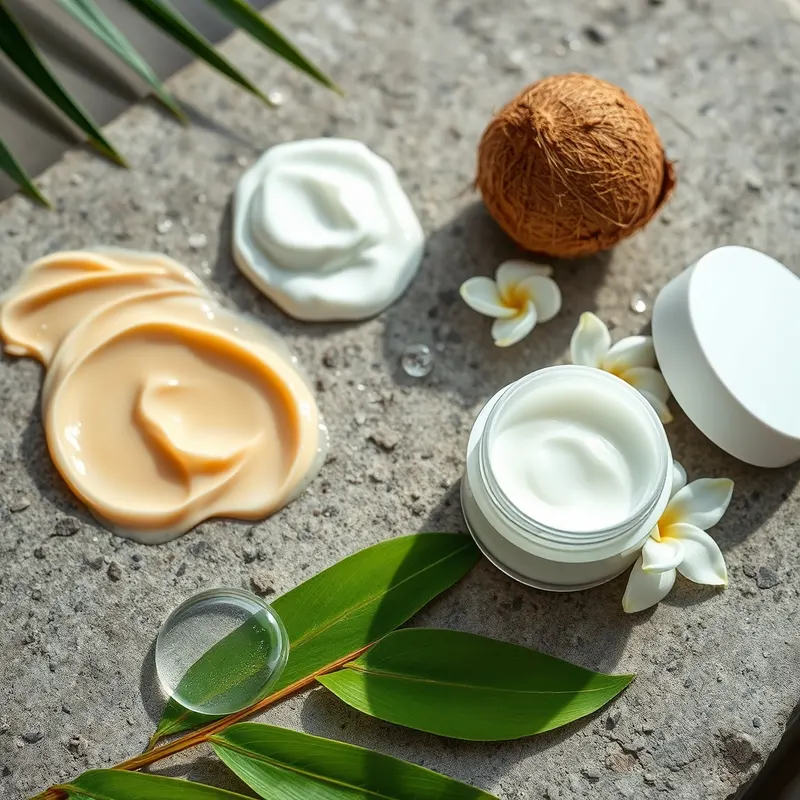
This is where sourcing decisions start to matter. Thai beauty suppliers with export experience have usually already navigated ingredient questions for multiple destination markets, because they've shipped there before. That doesn't remove your responsibility to verify restrictions for your specific country, but it does mean you're not starting from zero. When comparing manufacturing partners, ask directly: which markets have you shipped this formula to, and what documentation do you provide per batch? A supplier like 5FINE, alongside other manufacturing options, can usually walk you through what's available for a given product line — but always confirm details are provided per order, not assumed as blanket certifications.
How this connects to your packaging and label plan
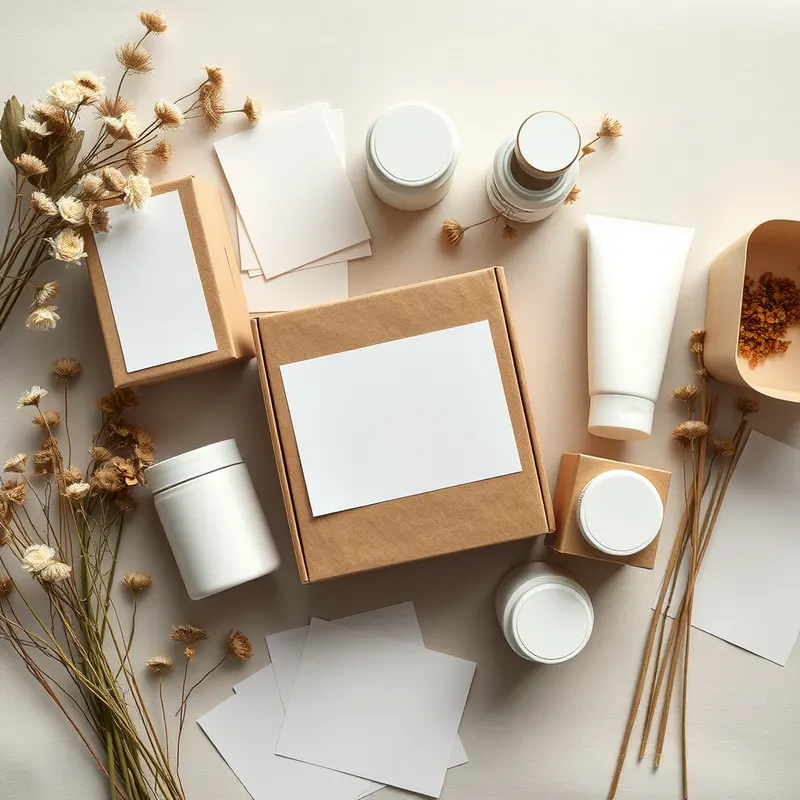
Ingredient restrictions don't just affect the formula inside the bottle — they affect what you're allowed to print outside it. Your private label packaging needs to reflect accurate claims, required warnings, and sometimes country-specific labeling elements (like net weight format or mandatory symbols). If you finalize packaging design before confirming the formula passes your target market's rules, you risk reprinting costs or a stalled launch. The safer sequence is: confirm the formula and its compliance status first, then lock packaging copy and design around it.
Building compliance checks into your launch timeline
For anyone who wants to start your own brand without surprises later, treat ingredient compliance as a checklist item right after you shortlist products — not as an afterthought before shipping. A practical approach: list your target markets, request the full ingredient (INCI) list for each candidate formula, and cross-check against publicly available restricted-substance lists for those countries, or ask your sourcing partner for guidance. If you're unsure how a regulation applies, checking with the relevant customs or import authority in your destination country is the safer route than guessing.
MOQ, documentation, and what to expect from a manufacturer
Most private label manufacturing, including options connected to the Private Label Thai ecosystem, works on a standard MOQ of 1,000 units per SKU. Pricing depends on the product and quantity, and your manufacturing partner will quote once specifics are confirmed. On documentation: for products that already have certifications, suppliers can usually share relevant paperwork per order — but this varies by item, so ask case by case rather than assuming every SKU is covered the same way.
Need expert support?
Leave your details and our team will get back to you.
FAQ
Frequently asked questions
Do all countries have the same cosmetic ingredient restrictions?
No. Restrictions vary significantly by country and region, covering different ingredients, concentration limits, and labeling rules. Always check with the customs or regulatory authority relevant to your specific destination market.
Can a manufacturer guarantee my product is compliant everywhere?
No single formula is automatically compliant in every market. A manufacturer can share available documentation and formulation details, but confirming compliance for your specific target country is part of your own due diligence as the brand owner.
Does the MOQ apply even if I need a custom formula?
Standard private label manufacturing typically uses an MOQ of 1,000 units per SKU. Custom formulation projects should be discussed directly with your supplier, as scope and quantity affect what's possible.
Where should I start if I don't know my target market's rules yet?
Start by narrowing down one or two target markets, then request the ingredient list for your shortlisted products and check it against that market's public restricted-ingredient guidance, or ask your sourcing partner for context before finalizing anything.
Prepared by the Private Label Thai team for informational purposes. Some links may lead to referred partners.
Articles
Related articles
How to Register a Cosmetic Brand Name: A Founder's Guide
Registering a cosmetic brand name means two different things. Here is how to clear a name, pick the right classes, file, and avoid the usual refusals
How to Get Press Coverage for a New Skincare Brand
Working out how to get press coverage for a new skincare brand usually starts with the wrong question — who to email. Editors are not short of brands
How to Build an Email List Before Launching a Beauty Brand
Most first-time founders think the real work starts when the product arrives. In practice, the brands that launch with momentum are the ones that spent weeks (sometimes months) bui