Starting a brand
How to Start a Fragrance Brand: A First Founder's Honest Roadmap
Learning how to start a fragrance brand usually begins with a scent you love and ends, for many founders, with a drawer full of sample vials and no product, because perfume is a category where the creative part is the smallest part.

Learning how to start a fragrance brand usually begins with a scent you love and ends, for many first-time founders, with a drawer full of sample vials and no product on sale. That is because perfume is a category where the creative part is the smallest part. The scent matters, but so do the concentration, the bottle, the regulatory file, the way fragrance ships, and whether anyone can find you among thousands of other bottles. This roadmap walks through the decisions in the order a founder actually meets them, with the trade-offs stated plainly, so you can decide whether this is the brand you want to build and how to build it without wasting your first budget.
Decide what kind of fragrance brand you are starting
Fragrance is not one market. Before you talk to any manufacturer, decide which of these you are building, because each one has different costs, customers and manufacturing routes.
- **Fine fragrance (EDP or EDT).** Perfume in a glass bottle, sold on scent and story, competing with established houses and a wave of indie brands. Highest packaging expectations, longest development, strongest margins when it works.
- **Body mist and hair mist.** Lighter concentration, lower price point, younger audience, faster repeat purchase. Easier entry and friendlier to social commerce.
- **Home fragrance.** Candles, reed diffusers, room sprays. Different manufacturing, different safety rules, strong gifting season.
- **Scented personal care.** A fragrance-led body wash, lotion or hair care line, where the scent is the hook but the product is skincare. Good for founders who already sell beauty products.
- **Solid perfume and oils.** Niche formats with lower packaging cost and a natural or artisanal story.
Your decision should rest on three questions. Who is the customer and how do they currently buy fragrance? What can you realistically afford for a first production run? Where will you sell: your own online store, marketplaces, a salon or spa, a physical boutique?
Founders who start with a body mist or a scented body care range often reach a sellable product faster and learn the category before attempting a fine fragrance. Founders with a strong design and content capability sometimes go straight to EDP. There is no wrong answer, but there is a wrong order: picking the bottle before picking the business.
Find your scent direction before you brief a perfumer
A scent brief is the document that tells a fragrance house or an OEM partner what to create. A vague brief such as fresh but warm, luxurious but affordable produces vague samples and wasted rounds. Do this homework first.
**Smell widely and take notes.** Visit department stores and niche perfumeries, smell twenty to thirty fragrances across families, and write down what you like and dislike about each: the opening, how it changes after an hour, how it sits on skin versus paper.
**Learn the basic vocabulary.** Fragrance families (floral, woody, oriental or amber, fresh, fougere, chypre), the structure of top, heart and base notes, and the difference between natural and synthetic materials. You do not need to become a perfumer, but you need to speak enough of the language to be understood.
**Define the emotional position.** Who wears this, when, and what do they want it to say about them? A morning office scent and a night-out scent are different products even if both are floral.
**Decide on your signature scent strategy.** Will you launch one hero fragrance and build the brand around it, or a small collection of three that shows range? One hero is cheaper and clearer; a collection gives customers a choice and raises the average basket.
**Set references.** It is normal to name existing fragrances as directional references, as in: in the family of X, less sweet, more woody. A fragrance house will not copy a scent, but references help calibrate.
With this done, your brief to a perfumer or OEM partner can be a single page that produces useful first samples rather than a guessing game.

Choose a development path: ready formulas, custom creation or hybrid
How the juice gets made is the biggest cost driver after packaging, and founders usually have three routes.
**Ready-made fragrance oils and bases.** Fragrance houses and OEM partners hold libraries of finished accords and complete fragrances that can be used under your brand. Fastest and least expensive, with the trade-off that the same or similar scents may appear under other brands. Good for body mist, home fragrance and first launches.
**Custom creation with a perfumer.** A perfumer builds a scent from your brief through several rounds of modification. Longer, more expensive, and yours in a way a library scent is not. Clarify ownership of the formula in writing; many houses retain the formula and license the finished concentrate to you.
**Hybrid.** Start from a library accord and modify it, which lands between the two on cost and exclusivity.
Alongside the juice, you decide:
- **Concentration.** EDP, EDT, body mist and oil are different dilutions, with different costs and expectations.
- **Alcohol or alcohol-free.** Alcohol-free formats such as oils, solid perfumes and some mists suit certain markets and shipping constraints.
- **Manufacturing partner.** A fragrance-specialist factory, or a wider beauty OEM partner that manages fragrance alongside packaging and documentation. 5FINE, for example, develops signature scents and produces through GMP-certified partner facilities including a fragrance and luxury hub in Dubai, which suits founders who want one coordinating partner rather than several suppliers.
When minimums come up, the standard reference in OEM fragrance production is 1,000 units per SKU. Plan how many scents you launch around that figure and around what you can realistically sell, not around how many you would love to have.
Packaging: where most of the first budget goes
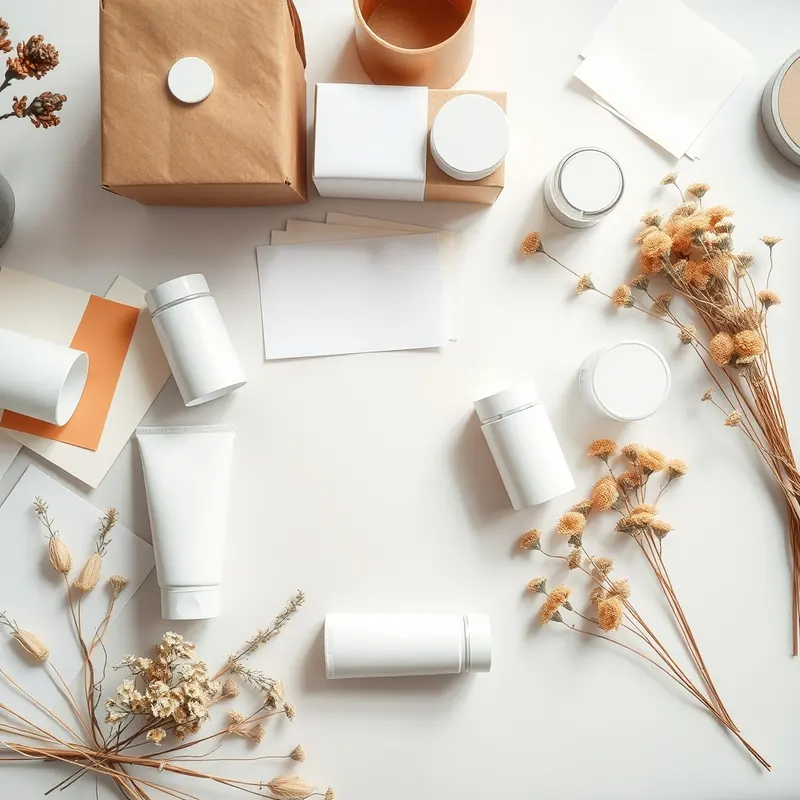
In fragrance, the bottle is the product in the customer's mind, and it is also where first-time founders most often run out of money. Approach packaging as a set of trade-offs rather than a wish list.
**Stock versus custom glass.** Stock bottles from established glass suppliers come in many shapes and sizes, with lower cost and shorter timelines. Custom glass needs a mould, which is expensive and slow, and only makes sense once volumes justify it. Most first launches use stock glass with custom decoration.
**Decoration.** Screen printing, hot stamping, lacquering, spray coating and labels each change the look and the cost. A single-colour print on a well-chosen stock bottle can look more premium than a cluttered design on a custom one.
**Pump, collar and cap.** These components come from different suppliers and must fit the bottle neck precisely. A good OEM partner coordinates this; a founder sourcing alone has to manage compatibility.
**Secondary packaging.** A rigid box with an insert protects glass and elevates unboxing, but doubles packaging cost. A folding carton is cheaper and lighter for shipping.
**Sample and discovery formats.** Vials, rollerballs and discovery sets let customers try before buying a full bottle and are one of the most effective tools for a new fragrance brand. Budget for them from the start.
**Lead times.** Glass, decoration and boxes each have their own schedule, often longer than the juice. Ask your partner for a packaging timeline before you set a launch date.
If you are also planning a scented body care line, note that airless pump bottles and tubes behave differently from fragrance glass and are usually sourced through the same beauty OEM channel.
Safety, regulation and shipping: the unglamorous essentials
Fragrance is a regulated and, because of alcohol, a hazardous-goods category. None of this is a reason not to start, but each point must be planned.
**Ingredient safety standards.** Fragrance materials are governed by industry safety standards that limit certain materials by concentration and product type. A reputable fragrance house or OEM partner formulates within those limits and supplies a compliance statement for the concentrate.
**Allergen labelling.** Many markets require certain fragrance allergens to be listed on the label when present above thresholds. Your partner should provide the allergen declaration you need for artwork.
**Cosmetic registration or notification.** Perfume is generally treated as a cosmetic and must be notified or registered in your selling market. Requirements differ by country; treat any guidance as reference and confirm the current procedure with the regulator or a consultant where you sell. Your manufacturer provides the technical file; you or your importer usually submits it.
**Product documents.** Safety data sheet for the alcohol-based product, certificate of analysis per batch, stability information, and the formula disclosure in the format your regulator requires. Confirm with your partner which documents are available for the specific product before you commit.
**Shipping alcohol-based fragrance.** Alcohol-based perfume is classed as dangerous goods for air transport, which restricts couriers, raises cost and can complicate international e-commerce. Sea freight for bulk, specialist couriers for parcels, and alcohol-free formats for some markets are the usual answers. Plan logistics before launch, not after the first order.
**Trademark.** Search and register your brand name and logo in your home market early; fragrance brand names are heavily contested.
Launch, sell and survive the first year
A fragrance brand lives or dies on whether people can smell it. Everything in your launch plan should solve that problem.
**Sampling is the strategy.** Discovery sets, sample vials with every order, sampling at events, salons or partner boutiques. Budget for sampling as a marketing cost, not as lost product.
**Tell one clear story.** The scent, the person it is for, and the reason the brand exists. Fragrance is bought on emotion and retold in words, so your copy and content need to describe scent in language people can imagine.
**Pick a primary channel.** A direct online store plus one marketplace is manageable for a first founder. Social video works when you can show the ritual, the bottle and real reactions. Physical retail through boutiques, spas or concept stores gives people a chance to smell, which online cannot.
**Price for the full cost.** Juice, packaging, documentation, shipping of hazardous goods, sampling, returns and platform fees. Many founders price from the bottle cost alone and discover the margin has gone.
**Track what sells and why.** Which scent, which size, which channel, which content drove it. Reorder what works; resist adding new scents until the first has proven itself.
**Expect a slow build.** Fragrance brands grow through repeat customers and word of mouth more than through viral spikes. A realistic first year is about proving one product and one channel, then expanding.
The founders who make it through are rarely the ones with the most beautiful bottle. They are the ones who chose a format they could afford, briefed clearly, planned the regulatory and shipping details early and got the scent onto as many wrists as possible. If you want to start your own brand in fragrance, that is the roadmap.
Need expert support?
Leave your details and our team will get back to you.
FAQ
Frequently asked questions
How much does it cost to start a fragrance brand?
There is no single figure; the budget depends on the format, whether you use a library scent or a custom creation, stock or custom glass, and how much you invest in sampling and marketing. Build a line-by-line plan covering juice, packaging, documentation, shipping and marketing, and ask your manufacturing partner for a quotation based on your actual plan.
Do I need to be a perfumer to start a fragrance brand?
No. Most fragrance brands are created by founders who brief a perfumer or an OEM partner with a clear scent direction and a defined customer. Learning the basic vocabulary of fragrance families and notes helps you brief well and evaluate samples, which is the skill that matters.
What is the minimum order quantity for private label fragrance?
The standard reference in OEM fragrance production is 1,000 units per SKU. Pricing depends on the concentration, the packaging and the quantity and is advised at quotation. Founders usually launch with one hero scent or a small collection rather than a wide range.
Can I ship perfume internationally from an online store?
Yes, but alcohol-based perfume is treated as dangerous goods for air transport, so you need a courier that accepts it, correct packaging and labelling, and a cost plan that reflects the surcharge. Alcohol-free formats and sea freight for bulk are common ways to reduce the complication.
Prepared by the Private Label Thai team for informational purposes. Some links may lead to referred partners.
Articles
Related articles
How Estheticians Can Sell Their Own Skincare Line in the Spa
You already do the hardest part of selling skincare every day: you touch the client's skin, explain what it needs and watch it change over weeks. The question of how estheticians c
How to Calculate Break Even for a Skincare Brand (A First-Timer's Walkthrough)
Before you pick a jar, a logo, or a launch date, there's one number that should keep you up at night in a useful way: your break-even point. Knowing how to calculate break even for
What Documents Are Needed to Export Private Label Cosmetics?
If you are asking what documents are needed to export private label cosmetics, you are probably closer to launch than to idea, and this is the stage where paperwork decides whether your first shipment moves or sits.