Launch & marketing
Selling Skincare on Shopify: A Founder's Guide to Launching Without Guesswork
So you want to start selling skincare on Shopify. Maybe you've got a formula you love, a supplier you're talking to, or just a strong feeling that your community deserves better pr
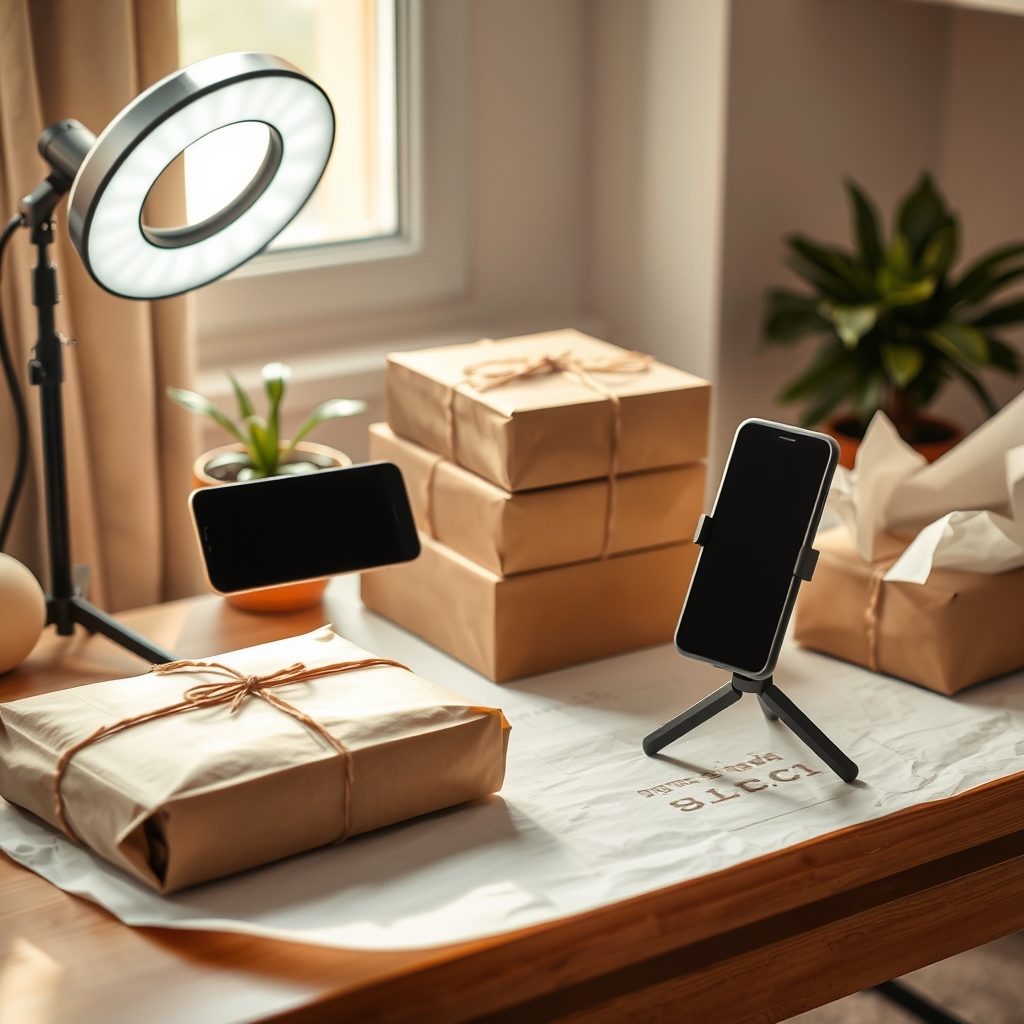
So you want to start selling skincare on Shopify. Maybe you've got a formula you love, a supplier you're talking to, or just a strong feeling that your community deserves better products than what's on the shelf. Good instinct — but before you pick a theme and launch a store, there are decisions that will shape your margins, your legal exposure, and how customers perceive your brand for years. This guide walks through the real sequence: what to decide first, what to budget for, and where founders usually trip up when selling skincare on Shopify for the first time.
Why Shopify works for skincare brands — and what it doesn't solve
Shopify is a storefront, payment system and inventory tracker rolled into one — it's genuinely one of the easier ways to get a product page live and start taking orders. But Shopify doesn't choose your product, formulate your cream, design your label, or handle compliance paperwork for cosmetics or beauty supplements in your target market. Those decisions happen upstream, before you ever open the Shopify admin. Founders who treat Shopify as the whole plan often discover too late that they built a beautiful store around a product they haven't fully sourced, tested or labeled correctly. Think of Shopify as the last mile, not the starting point.
Decide what you're actually selling first
Before building anything, get specific: is this a single hero product (a serum, a cleanser) or a small line? Skincare and beauty supplements are treated very differently depending on where you sell — a topical cream and an ingestible capsule can have different labeling rules, different claims you're allowed to make, and different supplier relationships. If you're new to this, it's worth spending real time narrowing to one or two SKUs you can launch well, rather than five you launch poorly. This is also the moment to decide whether you want to start your own brand from scratch with custom formulation, or work with a supplier who already has formulas you can put your name on — the latter is usually faster and more realistic for a first launch.

Sourcing, formulation and private label packaging
Once you know your product category, sourcing is next. Many first-time founders go the private label route: a manufacturer has existing formulas, and you apply your own branding, name and private label packaging on top. This is generally faster and more budget-friendly than developing a formula from zero, though it means less control over the exact ingredient list unless the supplier offers customization. Ask suppliers directly about what documentation is provided with the product, what packaging options exist, and what's required to put your logo and label on their stock formula. Don't assume — terms vary a lot by supplier and by product, so get this in writing before you commit shelf space on your Shopify store to it.
Brand building before you build the store
A product with no identity is just inventory. Brand building — your name, your visual language, the story you tell about why this product exists — is what turns a skincare SKU into something people choose over a dozen similar options on a crowded market. This doesn't need to be expensive, but it does need to happen before your Shopify theme is finalized, because your packaging design, photography style and copy all flow from it. Spend time on who you're actually selling to and what problem you solve for them before picking fonts and color palettes. A clear brand position also makes your product pages write themselves later.

Compliance, claims and what Shopify won't warn you about
Skincare and beauty supplements sit in regulated categories almost everywhere, and the rules differ by country — what you can legally claim on a label or product page in one market may not be allowed in another. Shopify will happily publish a page with an overreaching claim; it won't flag it for you. Before you go live, check with the relevant customs or regulatory body in your market about labeling and claims requirements for your specific product type. If you're sourcing from overseas, ask your supplier what documentation is typically provided with the goods, and confirm separately what your destination country expects on import — these are two different checklists.
Setting up the Shopify store itself
With product, packaging and brand decided, the store build is the easier part: choose a theme that fits your brand's visual tone, write product descriptions around real benefits and honest use cases, set up clear shipping and return policies, and get your payment processing sorted. Invest early in good product photography — skincare sells heavily on texture and packaging appeal. Build your email list from day one rather than relying only on paid traffic. And resist the urge to launch with ten products; a tight, well-presented launch range usually converts better than a sprawling one with thin content on each page.
Need expert support?
Leave your details and our team will get back to you.
FAQ
Frequently asked questions
Do I need my own formula to start selling skincare on Shopify?
No — many founders start your own brand using a supplier's existing formula through private label arrangements, which is usually faster and requires less upfront investment than custom formulation. You can move to custom formulas later as the brand grows.
What's the difference between private label and building a formula from scratch?
Private label means you apply your branding and private label packaging to an existing, proven formula from a manufacturer. Custom formulation means developing a unique recipe with a lab or supplier, which generally takes more time, budget and back-and-forth testing.
Can I sell beauty supplements on Shopify the same way as topical skincare?
Shopify can host both, but beauty supplements and topical products often fall under different regulatory categories depending on your market. Check labeling and claims requirements separately for each product type with the relevant authority before listing.
How much should branding matter if my budget is tight?
Brand building doesn't require a huge budget, but skipping it entirely is risky — it's what differentiates your product on a page full of similar skincare items. Even a simple, consistent name, logo and tone of voice applied across packaging and your Shopify store goes a long way before you scale further.
Prepared by the Private Label Thai team for informational purposes. Some links may lead to referred partners.
Articles
Related articles
Cosmetic Label Design Checklist: Get It Right Before You Print
A cosmetic label design checklist is the cheapest insurance a first-time founder can buy. Once thousands of labels are printed, every typo, unreadable font or missing detail become

Private Label Supplement Ideas: A Founder's Guide to Picking a Winning Product
If you've typed "private label supplement ideas" into Google more than once this week, you're probably stuck between two feelings: excitement about launching your own line, and anx

How to Start a Beauty Brand on a Small Budget (Without Cutting the Wrong Corners)
Every founder who wants to start a beauty brand on a small budget asks the same question first: where does the money actually need to go, and where can I save? The honest answer is