Starting a brand
Questions to Ask Before Starting Your Own Beauty Line
Every founder who messages us starts with some version of the same question: "Am I ready to do this?" The honest answer is that readiness isn't a feeling — it's a checklist. Before
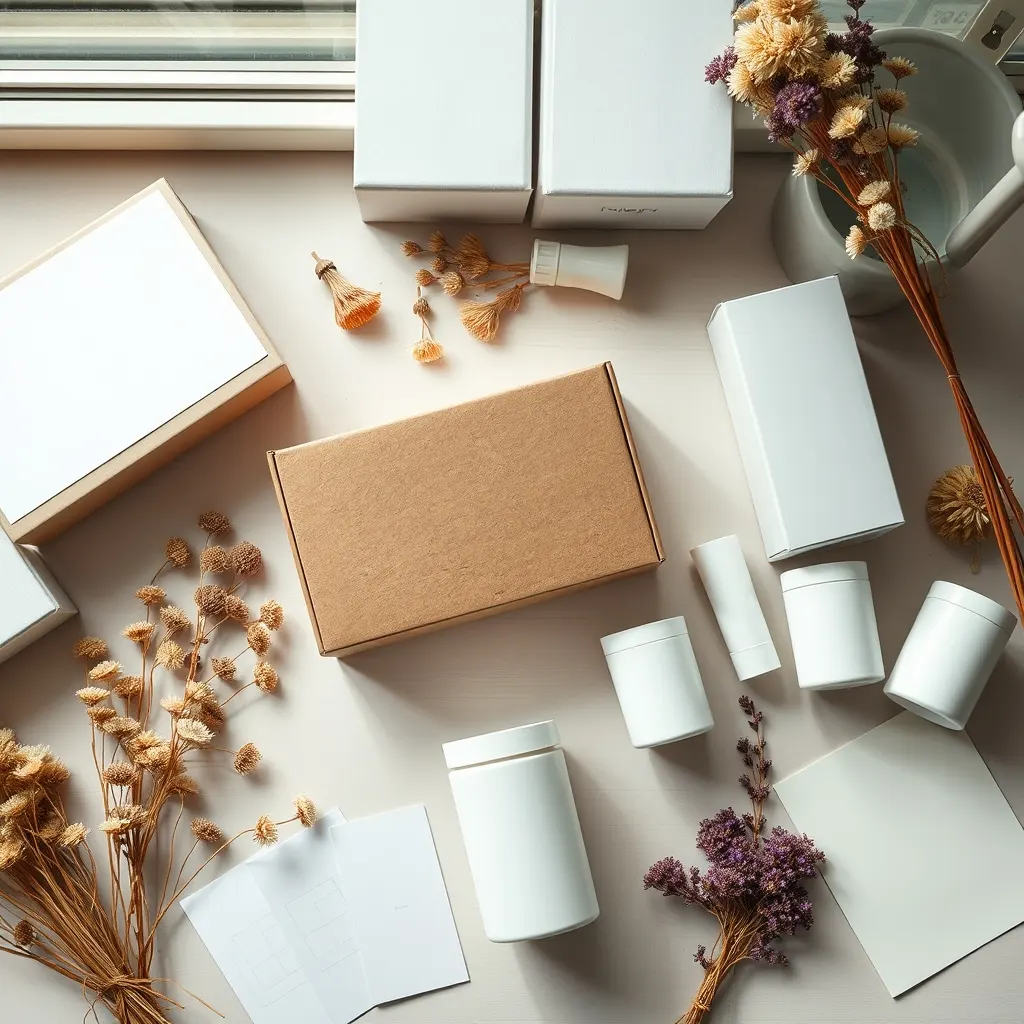
Every founder who messages us starts with some version of the same question: "Am I ready to do this?" The honest answer is that readiness isn't a feeling — it's a checklist. Before you touch packaging mockups or chase a factory quote, there are a handful of questions to ask before starting your own beauty line that will save you months of rework and a good chunk of your budget. This guide walks through them in order, so you can figure out where you actually stand, not just where you wish you were.
1. What problem does your brand actually solve?
Before anything else, be specific about who your product is for and why they'd choose it over what they already use. 'I love skincare' is a passion, not a brand position. A real starting point sounds more like: 'small shop owners who want a signature scent their customers can't find anywhere else' or 'salon clients who want a retail product that matches the treatment they just had.' This clarity shapes everything downstream — your formula choices, your packaging, your pricing. If you can't answer this in one sentence, spend more time here before moving forward. Brand building without a clear reason to exist is the single biggest cause of first-launch regret.
2. Which product category fits your skills, budget and story?
Beauty and wellness cover a huge range — skincare, makeup, haircare, supplements, home fragrance. Each has different complexity. Makeup OEM, for example, often involves more shade-matching and stability testing than a simple body oil. Herbal product OEM lines bring their own considerations around ingredient sourcing and labeling claims. Neither is 'easier,' but they ask different things of you as a founder. Pick a category where you already understand the customer, even if you don't yet understand the manufacturing — that part can be learned, and taught, through the process.
3. What's your realistic budget — and what trade-offs come with it?
This is where most first-time founders get uncomfortable, which is exactly why you should face it early. Private label manufacturing typically works on a standard MOQ of 1,000 units per SKU — that's the baseline to plan around, not a negotiable starting point. Pricing itself depends heavily on the product, packaging, and quantity, so treat any number you hear before a real quote as a rough guide, not a promise. Ask yourself: can you afford to produce, store and market 1,000 units of one SKU before you've sold a single piece? If the answer is no, consider narrowing your first launch to fewer SKUs rather than trying to launch a full range at once.
4. Do you have a plan for packaging, compliance paperwork and claims?
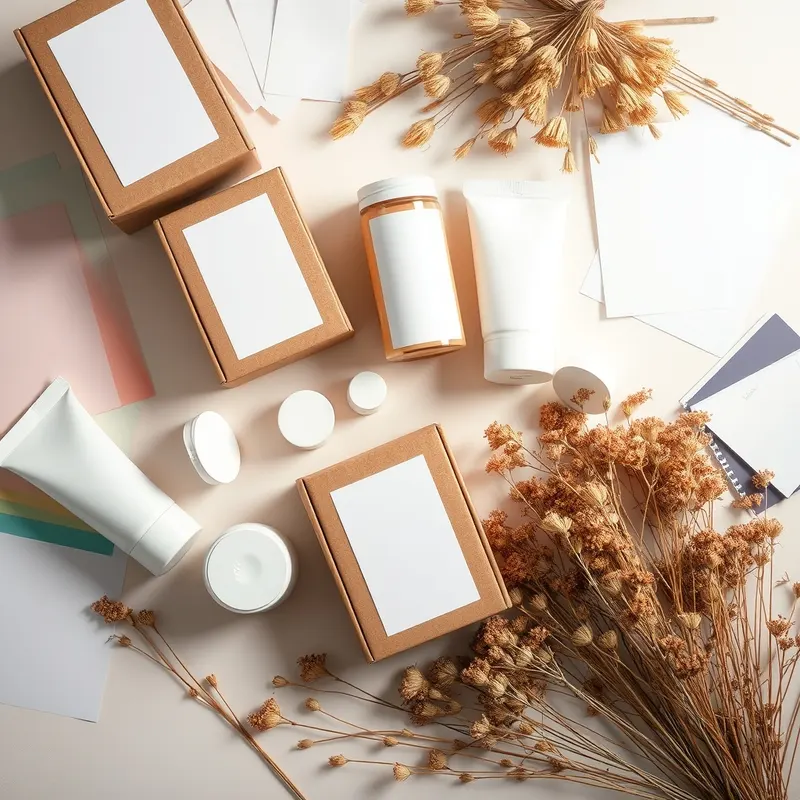
Packaging is more than a design file — it communicates your brand position before a customer reads a single ingredient. Decide early whether you want custom boxes, printed tubes, or simpler stock packaging with a custom label, since this affects both cost and lead time. On the paperwork side, documentation such as ingredient lists or available certifications is usually provided per item at the time of ordering, not as a blanket guarantee across a whole catalog — ask for what applies to your specific products. If you're selling internationally, check requirements with the customs or regulatory authority in your destination market rather than assuming your home country's rules apply everywhere.
5. How will you actually sell it?
A finished product sitting in a warehouse isn't a business yet. Before you place an order, sketch out your first three sales channels — your own site, a local shop, social media, wholesale to salons — and be honest about which ones you can execute without hiring a team. If you're an influencer or creator, your audience might be channel number one, but don't assume it will absorb 1,000 units overnight. If you run a salon or spa, retail add-on sales to existing clients are often a more realistic first channel than building an e-commerce audience from zero.
6. Are you ready to start your own brand, or just ready to start sourcing?
There's a difference between wanting a product with your logo on it and wanting to start your own brand with a consistent identity, repeat customers and a growth plan. Both are valid starting points, but they lead to different decisions — different MOQs, different timelines, different partners. Being honest about which one you're doing right now will help you set expectations with any manufacturer or consultant you work with, including platforms in this space such as 5FINE that work with first-time founders at the OEM stage.
Need expert support?
Leave your details and our team will get back to you.
FAQ
Frequently asked questions
How many products should my first beauty line include?
There's no fixed number, but many first-time founders start with one or two SKUs to manage budget and MOQ more comfortably, then expand once the first batch sells through. This also makes it easier to test your signature scent or formula before committing to a wider range.
Can I start with makeup OEM if I've never worked with a factory before?
Yes, but go in with realistic expectations about shade matching, stability testing and approval rounds — these can take more back-and-forth than a single-ingredient skincare product. Ask your manufacturer to walk you through their process before you commit.
Do I need a certification before launching?
It depends on your product and destination market. Some items come with available certifications or documentation provided at the time of ordering; others don't require the same paperwork. Always check with the customs or regulatory authority relevant to where you plan to sell.
Is herbal product OEM more complicated than conventional formulas?
It can involve extra considerations around ingredient sourcing and label claims, but it's not inherently harder — it just asks different questions of you as a founder, particularly around what claims you can and can't make on the packaging.
Prepared by the Private Label Thai team for informational purposes. Some links may lead to referred partners.
Articles
Related articles

How to Choose a Product Category for Your Skincare Line
Category is a harder decision than niche, because it sets your cost, your shelf life, your paperwork and your repeat rate. A founder method for picking the first one.
How to Find a Private Label Manufacturer in Thailand
Learning how to find a private label manufacturer in Thailand is mostly a filtering problem. There is no shortage of companies willing to reply
How Salons Can Create Their Own Skincare Line: A Roadmap
Most guides on how salons can create their own skincare line start with branding. A working salon should start somewhere less glamorous: the treatment room.