Choosing products
How to Test Private Label Skincare Samples Before Launch: 6 Checks
How to test private label skincare samples before launch: six checks covering first impressions, a real tester panel, patch and tolerance testing, packaging trials, shelf-life questions for the manufacturer, and a go or no-go decision.
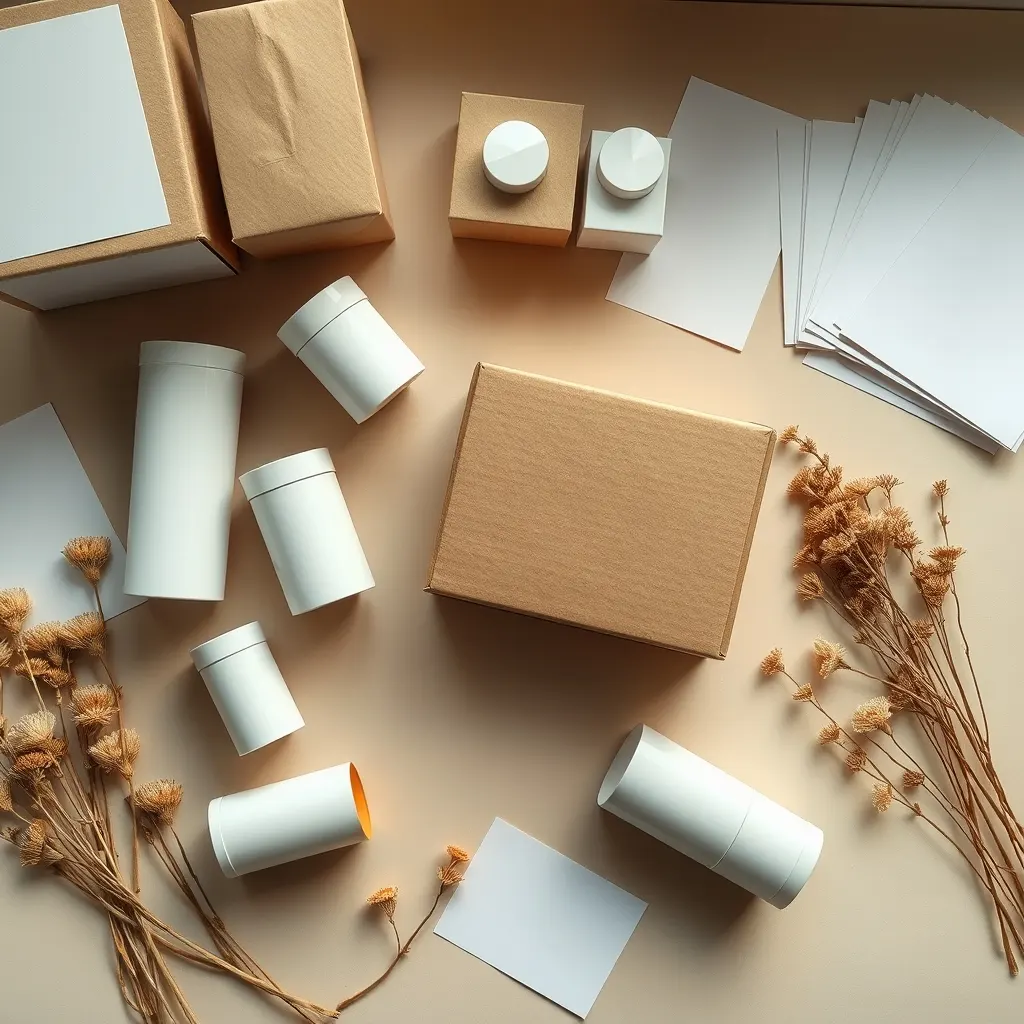
The samples arrived, they look lovely, and you are tempted to approve them tonight and order. Please do not. Learning how to test private label skincare samples before launch is the cheapest insurance a first-time founder can buy, because every problem you catch at the sample stage costs a small revision, while every problem you catch after production costs a pallet. This guide gives you six checks in order: your own first impressions, a real tester panel, patch and tolerance testing, packaging trials, the shelf-life questions to put to your manufacturer, and a simple go or no-go decision at the end. None of it requires a lab of your own; it requires discipline and about three weeks.
Check 1: Record your first impressions the right way
Your first reaction matters, but only if you capture it in a way you can compare later. Before you open anything, set up a simple log: sample code, product name, date received, date made if the label shows it, and how it was shipped and stored. Samples that spent a week in a hot courier van have already had a stress test, and you want to know that.
Then go through the sample slowly and write down what you observe, not what you feel about it:
- **Appearance**: color, clarity or opacity, any separation, air bubbles, specks or crystals.
- **Odor at opening**: fragrance intensity, any sour, plasticky or raw-material smell underneath.
- **Texture at pick-up**: thick, thin, bouncy, stringy; whether it holds a peak or flows.
- **Application**: how far a small amount spreads, how long it takes to absorb, whether it drags or glides.
- **After-feel at one minute and at fifteen minutes**: tacky, dewy, matte, tight, greasy.
- **Fit to concept**: does this match the one-line description you gave the manufacturer when you decided to start your own brand?
Score each attribute on a simple scale and note the room temperature. Then do it again two days later without looking at your first notes, and compare. If your own scores swing widely, the sample may be sensitive to conditions, or you may be tired of looking at it; both are useful to know.
One caution: founders tend to fall in love with their first sample because it is the first physical proof that the brand is real. The log protects you from that. Describe, score, and only then judge.
Check 2: Run a small panel of real target customers
Your skin is one data point and probably not the typical customer's skin. A panel of people who match your target customer turns opinions into patterns. You do not need dozens; a handful of the right people, tested consistently, beats a crowd of friends tested casually.
How to set it up:
- **Pick testers by fit**: skin type, age range, climate, routine and habits that match your positioning. A rich night cream for dry skin tested by oily-skinned twenty-year-olds will produce complaints that are not relevant.
- **Give identical instructions**: how much to use, where, when, for how many days, and what to avoid combining. Provide the sample in the same type of container for everyone.
- **Use one short form**: application feel, after-feel, fragrance, any irritation, how it behaved under makeup or sunscreen, whether they would buy, and the single thing they would change. Scores plus a comment.
- **Run it for at least a week**: day-one feedback captures texture; day-seven feedback captures whether the fragrance turns, whether the product starts to feel heavy, and whether people keep using it.
- **Collect conditions**: ask testers where they live and whether they used it in heat or air conditioning.
When the results come in, look for agreement. One person finding it sticky is a preference; five of eight finding it sticky in humid weather is a performance issue to raise with the manufacturer. Separate those two categories before you send any feedback, because mixing them leads to endless revisions chasing individual tastes. If you are developing a custom formula rather than choosing an existing base, this panel data is also what makes your revision request precise.
Check 3: Patch testing, tolerance and sensitive categories
Texture gets most of the attention, but tolerance is what protects your customers and your brand. Even when the manufacturer has run its own safety work, you should see how the product behaves on real skin under real use before you commit to production.
Start with a basic patch test among your panel: a small amount applied to the inner forearm or behind the ear, repeated daily for several days, with a note of any redness, itching, stinging or dryness and when it started. This is not a substitute for a professional safety assessment or for the dermatological testing some markets expect, but it is an early warning that is free to run.
Pay special attention if your product includes:
- Exfoliating acids, retinoids or vitamin C derivatives, where concentration and pH drive both results and irritation.
- Fragrance or essential oils, which are the most common cause of reactions.
- Products for the eye area, lips or intimate skin, where tolerance thresholds are lower.
- A baby skincare line or products aimed at sensitive skin, where you should expect a stricter testing conversation with the manufacturer and your regulatory advisor, and where claims will be scrutinized more closely.
Ask the manufacturer what safety and tolerance testing has already been done on the base formula, what documentation can be provided per product when you order, and what additional testing they recommend for your market and your claims. Keep the answers in writing. If any tester reports a reaction, stop their use, record it in detail, and share it with the manufacturer; do not simply drop that tester from the results.
Check 4: Test the formula in its real packaging
A sample in a lab jar tells you about the formula. A sample in your actual bottle tells you about the product. These are not the same thing, and founders often approve the first and are surprised by the second.
If the manufacturer can fill a few samples in the packaging you intend to use, insist on it. Then check:
- **Dispensing**: does the pump deliver a usable dose, does the tube squeeze cleanly, does a dropper pick up a thicker serum, does the jar make the product hard to reach near the bottom?
- **Compatibility over time**: leave filled packs for two or three weeks at room temperature and in a warm spot such as a bathroom or a car on a sunny day, then look for discoloration, swelling, odor changes, leaks or pump failure.
- **Transport simulation**: put a filled pack in a box, shake it, drop the box from table height a couple of times, and inspect for leaks and loose caps. Your couriers will be less gentle.
- **Label and artwork**: apply a printed draft label and check adhesion, smudging from product contact, legibility of the ingredient list and whether the required elements fit at a readable size.
- **Customer experience**: open and use the pack as a customer would, including with wet hands, and note anything annoying.
Packaging problems are a frequent cause of launch delays because they surface late and involve a third supplier. If a thinner or thicker texture emerges from your panel feedback, remember that it can change the packaging that works, so finish the formula direction before you lock the components. Testing the real pack early is the single most under-done step in beauty and cosmetics manufacturing for first brands.
Check 5: Ask the manufacturer the shelf-life and scale-up questions
Some things cannot be tested in your kitchen, and that is fine; your job is to ask the right questions and record the answers. Before approving, have a direct conversation with the manufacturer about how the sample will become a stable product in quantity.
Questions worth asking:
- **Stability**: has the formula been through accelerated stability testing, under which conditions, and does my packaging choice change that?
- **Preservation**: has a preservative efficacy test been done on this base, and will any change I request trigger a repeat?
- **Shelf life and period after opening**: what shelf life does the manufacturer support for this formula and packaging, and what evidence sits behind it?
- **Scale-up**: will the texture of the production batch match the lab sample, and is a pilot batch part of the process?
- **Documentation**: which documents are provided per product when I order, and which will I need to commission myself for my market?
- **Minimums and variants**: production is typically planned around a standard minimum of 1,000 units per SKU, so every shade, scent or size you approve is its own minimum; ask how that shapes your first run.
- **Change control**: if a raw material is substituted later, how will I be informed?
You are not expected to evaluate the science yourself. You are expected to notice vague answers. A manufacturer, or a partner that manages production through partner factories such as 5FINE (5fineglobal.com), should be able to explain these points plainly and say which items are provided per product and which are your responsibility. Write the answers into your sample log so they travel with the decision.
Check 6: Make a go, revise or stop decision
After three weeks you will have your own log, panel results, tolerance notes, packaging observations and the manufacturer's answers. Now decide, using criteria you set before the testing started so that enthusiasm does not vote.
A simple framework:
- **Go** when there are no defects, no tolerance concerns, the main performance targets from your brief are met, packaging works with the formula, and the manufacturer's answers on stability and documentation are clear. Minor preference splits are a messaging matter, not a reason to delay.
- **Revise** when the formula is close but a clear majority of your target panel reports the same performance gap, or when packaging needs a change that affects the formula. Write a short revision request: what to keep, what to change in priority order, the evidence, and the trade-offs you accept.
- **Stop or rethink** when the concept itself seems to demand incompatible things, when tolerance issues appear across several testers, or when the manufacturer cannot answer basic shelf-life questions. Stopping at the sample stage is a small loss; stopping after production is not.
Common mistakes at this step include approving on texture alone, approving in lab packaging, treating one enthusiastic influencer as a panel, and letting a launch date you announced on social media override what the testing showed. Keep a retained sample of whatever you approve, labeled with the code and date, so you can compare the first production batch against it. Then, and only then, move to the production brief, the label and claims review for your market, and your launch plan. The testing you did here is also content: founders who show the care they took often build more trust than any claim on the pack.
Need expert support?
Leave your details and our team will get back to you.
FAQ
Frequently asked questions
How long should I test private label skincare samples before approving?
Plan for roughly two to three weeks. That allows a week of daily use by a small panel, a repeat of your own observations on separate days, and a short packaging compatibility check in warm conditions. Texture can be judged in a day, but fragrance drift, tolerance issues and packaging problems usually only appear with repeated use over time.
How many people do I need on a tester panel?
A handful of people who closely match your target customer in skin type, climate and routine is more useful than a large group of friends who do not. What matters is consistency: identical instructions, the same form, the same duration. Look for agreement across testers rather than reacting to individual comments.
Can I skip professional safety testing if my panel had no reactions?
No. A small panel is an early warning, not a safety assessment. Ask the manufacturer what safety, stability and preservation testing has been done on the base formula and what documentation is provided per product, then check which additional assessments your destination market expects before sale. Treat the information here as general guidance and confirm requirements with a regulatory advisor.
What if the sample is perfect in the lab jar but behaves differently in my bottle?
That is common and is exactly why you test in the real packaging. Pumps, droppers and tubes each suit a range of textures, and some materials interact with fragrance or oils. Raise the issue with the manufacturer before approval; the fix may be a small viscosity adjustment or a different component, and either is far cheaper to solve now than after production.
Prepared by the Private Label Thai team for informational purposes. Some links may lead to referred partners.
Articles
Related articles
Trending Serums to Private Label This Year: A Founder's Buying Guide
If you've been scrolling beauty TikTok or checking out what's moving in salons, you've probably noticed serums are having a moment again — not as a single hero product, but as a ca

Starting a Sunscreen Business: What First-Time Founders Decide First
Starting a sunscreen business is one of the most rewarding and most demanding ways to enter beauty. Demand is year-round in tropical markets, customers repurchase often, and a good
How to Sell Sunscreen: A Founder's Guide to Launching a Sun Care Brand
Sunscreen looks like an easy category to enter — until you actually try to sell it. Between formula stability, SPF claims, packaging that survives heat, and a buyer who's been burn