Branding & packaging
How to Design a Logo for a Beauty Brand (Without Wasting Your First Budget)
A logo is often the first money a first-time founder spends on their brand — and the first design decision that gets second-guessed. Before you brief a designer or pick a font on C
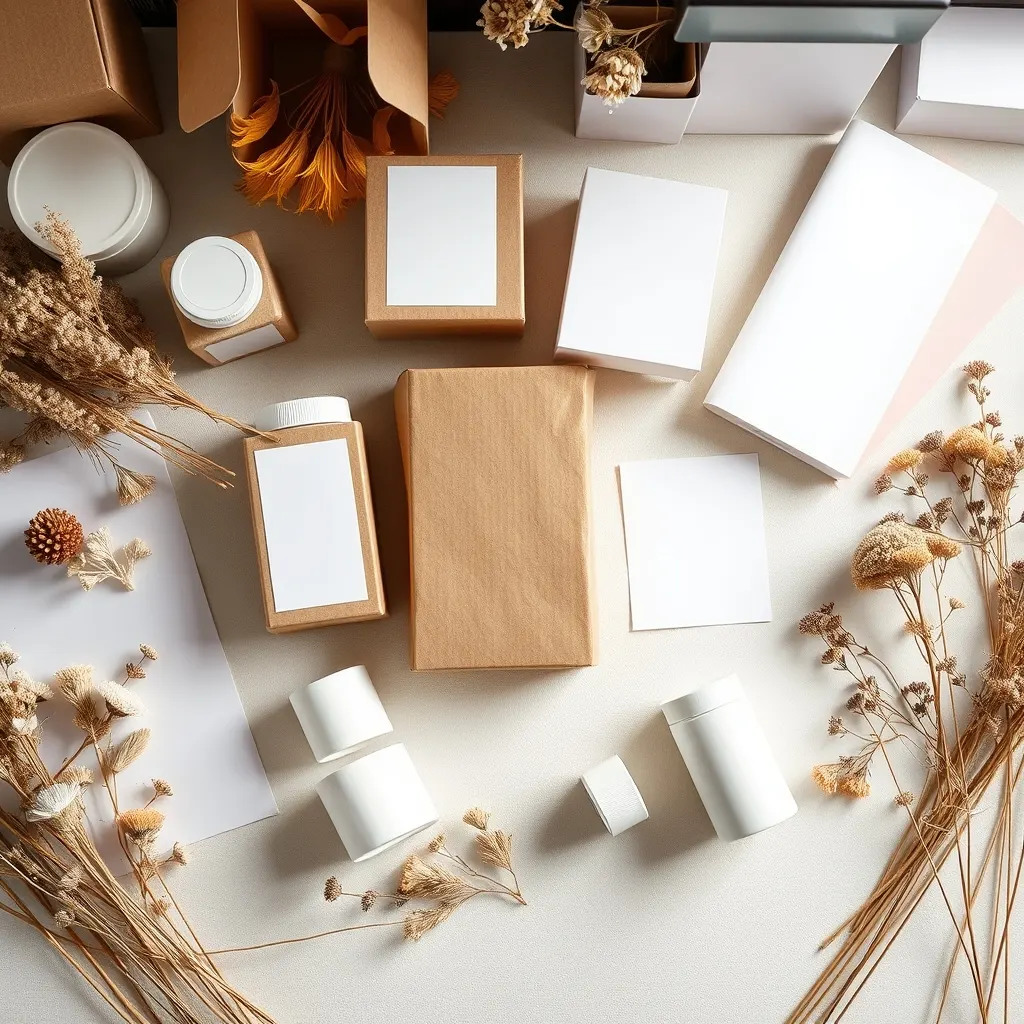
A logo is often the first money a first-time founder spends on their brand — and the first design decision that gets second-guessed. Before you brief a designer or pick a font on Canva, it helps to understand what a beauty logo actually needs to do: work tiny on a lipstick cap, look credible on a shelf next to established names, and still make sense in two years when your line grows from one serum to ten SKUs. This guide walks through how to design a logo for a beauty brand step by step, with the trade-offs nobody puts in the mood board.
1. Start with the product, not the pretty
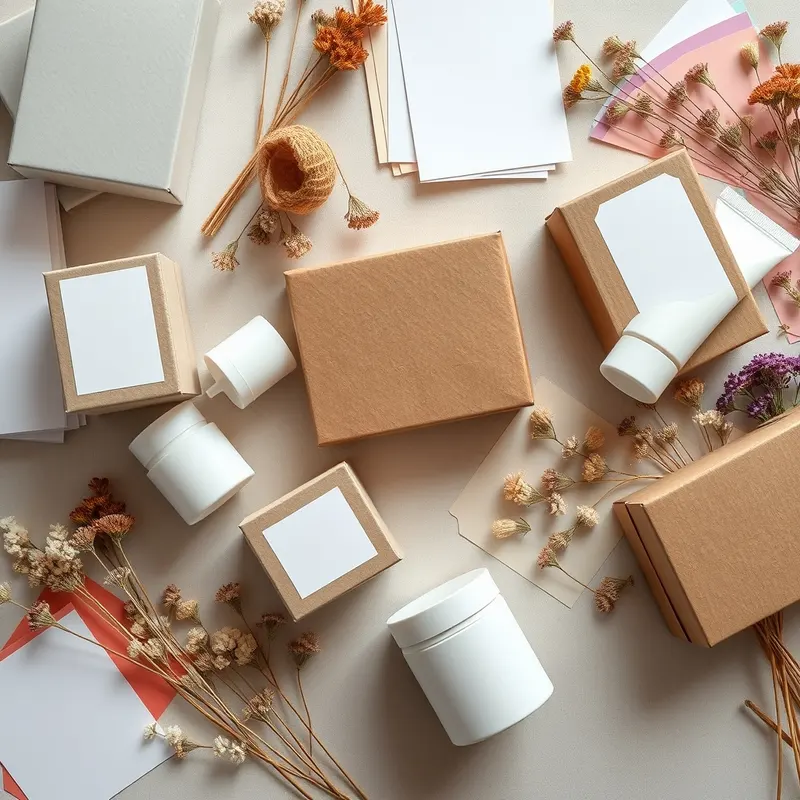
Your logo has to live on actual packaging before it lives anywhere else. If you're working with a factory for beauty and cosmetics manufacturing, ask early what printing methods they support for your containers — screen printing, hot stamping, labels — because this limits color count, line thinness, and whether gradients or fine script will even reproduce cleanly. A logo that looks sharp on a laptop screen can turn into a smudge on a 30ml pump bottle. Get your packaging shortlist before you finalize the logo file, not after.
2. Decide what category story your mark needs to tell
Skincare, makeup, hair, and baby lines read differently to a buyer at first glance, and your logo is doing a lot of that signaling. A clinical skincare brand often leans on clean sans-serif type and restrained color. A makeup OEM line aimed at younger creators can afford more personality — custom lettering, bold color, playful icons. If you're building a hair care OEM range, think about how the mark will sit on taller bottles with more label real estate versus a small jar. And if baby care OEM products are part of your plan, softness and legibility usually matter more than trend-chasing, since parents scan labels quickly and want to feel reassured, not dazzled.
3. Keep the real budget conversation honest
You can get a usable logo from a freelance designer, a logo marketplace, or an AI tool, and each comes with a different trade-off: freelancers give you a brief-and-revise process but take longer; marketplaces are fast and cheap but less unique; AI tools are fastest but often need a human pass to fix spacing and font licensing issues. None of these costs are fixed industry numbers — treat any price you see online as a starting estimate, not a guarantee, and get quotes based on your actual scope (how many file formats, how many revisions, trademark search included or not).
4. Design for the smallest version first
A common first-timer mistake is designing a beautiful, detailed logo at a large size, then discovering it turns into a blurry blob once it's shrunk to fit a 15ml dropper bottle or a sachet. Work backward: sketch or mock up your logo at the smallest size it will ever appear, then scale up. If it's still legible and recognizable that small, it will work everywhere else. This single habit saves more reprints and packaging headaches than any color theory advice.
5. Build in room to grow without a full rebrand
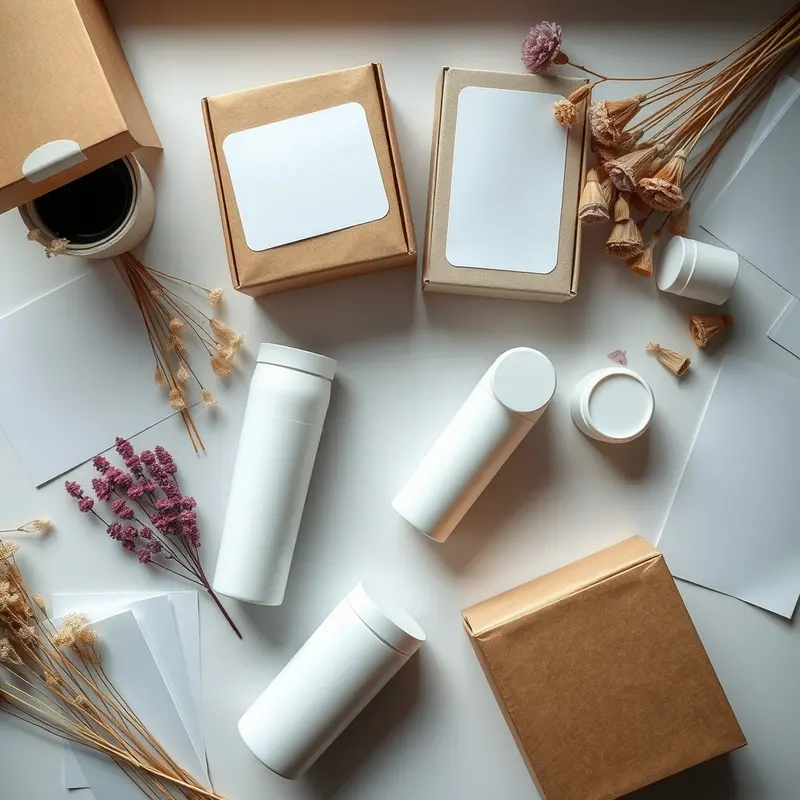
Most founders start with one or two SKUs and expand later — a serum becomes a serum-plus-cleanser line, a single lipstick shade becomes a collection. Choose a logo system (wordmark, icon, color palette) that can flex across new product categories without looking stitched together. This matters even more once you're working at standard production scale: many beauty and cosmetics manufacturing partners, including 5FINE, work with a standard MOQ of 1,000 units per SKU, so your logo needs to look consistent whether it's on one SKU or ten, since reprinting packaging for a redesign mid-way through a production run isn't a small decision.
6. Test it on real humans before you commit
Before locking the final file, show your top two or three logo options to people outside your immediate circle — ideally people who resemble your actual customer. Ask what they think the product is (skincare? supplement? cleaning product?) before telling them. If the category reads wrong, that's worth fixing now, not after your first production run. This is also a good moment to sanity-check your name and logo together, since the two are read as one signal on shelf or on a product page.
Need expert support?
Leave your details and our team will get back to you.
FAQ
Frequently asked questions
Do I need a professional designer, or can I use a template?
Templates can work for a first test batch, especially if budget is tight, but they carry a higher risk of overlap with other brands using the same template. A designer costs more but gives you a mark that's harder to confuse with someone else's. The right choice depends on your stage and budget — there's no universally correct answer.
How many colors should a beauty logo have?
Fewer is usually safer for production. Each extra color can add cost or complexity depending on the printing method your manufacturer uses, so it's worth confirming with your packaging supplier before finalizing a multi-color design.
Should my logo change if I expand into a new product category later, like moving from skincare to hair care OEM?
Ideally not drastically. A well-built logo system should flex across categories through color or icon variation rather than needing a full redesign, which saves cost and keeps brand recognition intact as you grow.
When should I involve my manufacturer in the logo process?
Earlier than most founders think. Confirming printing methods, bottle or jar shapes, and label dimensions before finalizing your logo file prevents costly last-minute redesigns once you're ready to order.
Prepared by the Private Label Thai team for informational purposes. Some links may lead to referred partners.
Articles
Related articles
How to Choose Packaging Materials for Skincare: A Founder Guide
How to choose packaging materials for skincare starts with the formula, not the mood board — the material decides what the product can survive.
How to Pick a Manufacturer for Private Label Skincare
Learning how to pick a manufacturer for private label skincare is mostly about learning which questions reveal the truth quickly. Every factory website says GMP-certified, full ser
Best Private Label Hair Products to Start With (A Founder's Buying Guide)
If you're picking your first private label hair product, the question isn't "what's trendy" — it's "what can I actually launch, sell, and reorder without guessing." Hair care is on