Launch & marketing
The Creator Brand Launch Plan: A Realistic Roadmap From Idea to First Sale
You've got an audience, a niche, and a nagging feeling you should "do the merch thing" — except what you really want is a real product line, not a print-on-demand hoodie. A creator

You've got an audience, a niche, and a nagging feeling you should "do the merch thing" — except what you really want is a real product line, not a print-on-demand hoodie. A creator brand launch plan is what separates "I posted about my brand once" from a label people actually buy from again. This guide walks through the decisions that matter most when you start your own brand as a creator: what to sell, how to brand it, what packaging and paperwork actually involve, and where your budget realistically needs to go. No income promises, no shortcuts — just the sequence that keeps first-time founders from burning cash on the wrong first move.
1. Pick a product your audience already trusts you to talk about
The biggest creator mistake is choosing a product category because it's trendy, not because it fits the content you already make. If your feed is skincare routines, a serum or cleanser makes sense; if you talk about sleep, energy or gut health, beauty supplements are a more credible entry point than color cosmetics. Before you touch branding, write down the 3-5 product claims your audience already associates with you — that list becomes your product brief. This is also the moment to be honest about complexity: a single-ingredient-feel serum is a simpler first product than a multi-active supplement blend, and simpler usually means fewer formulation questions to resolve before you can get quotes.
2. Brand building before packaging, not after
A lot of creators reverse this order — they fall in love with a jar, then try to build a brand around it. Brand building should start with three things: who specifically this is for (not 'everyone who likes skincare'), what single outcome or feeling you're selling, and what tone your captions, product name and packaging all need to share. Write a one-paragraph brand brief before you look at a single supplier catalog. It will save you from picking packaging that looks nothing like your actual content style, and it gives any manufacturer or design partner something concrete to work from instead of 'something cute and clean.'
3. Private label packaging: what you're actually choosing between
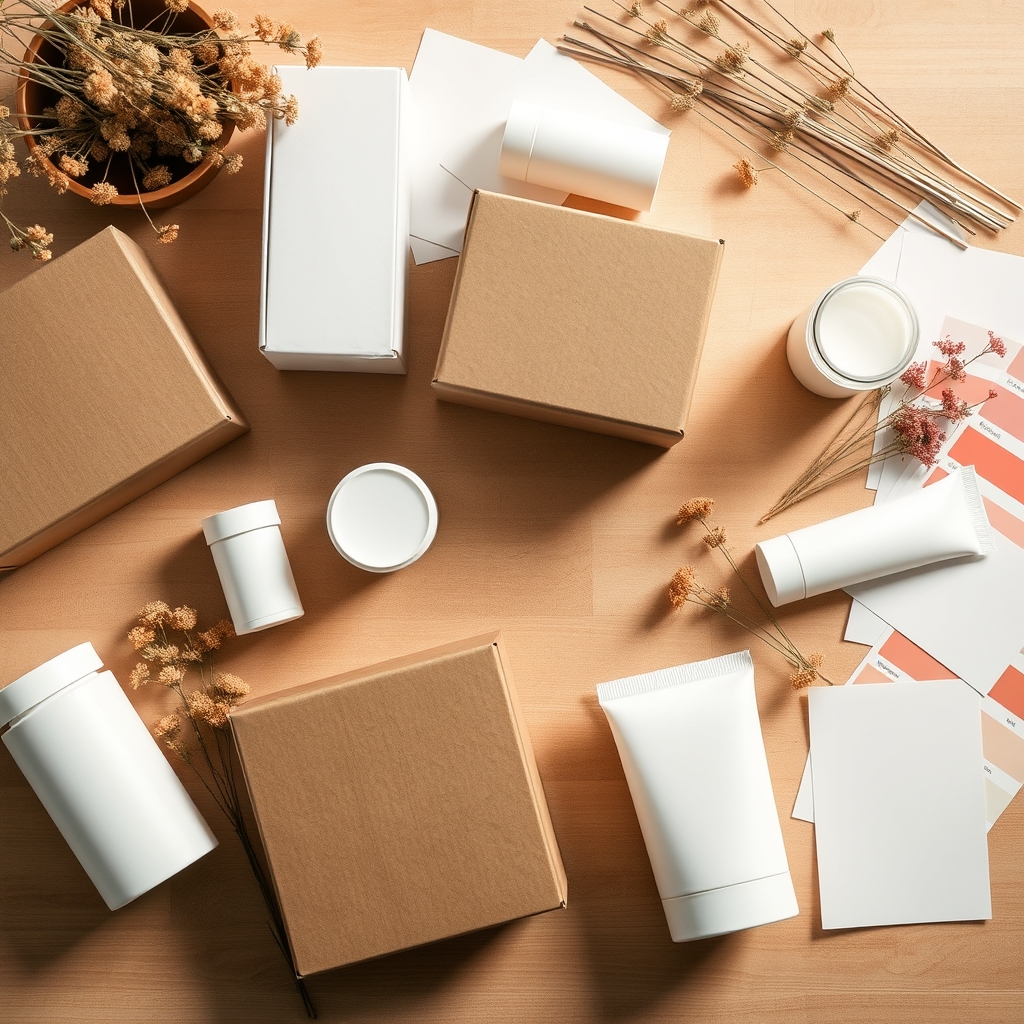
Private label packaging means you're using a base product and formulation that already exists, then applying your own branding, labeling and sometimes custom components (pump, box, color). The trade-off to understand upfront: going fully custom (unique bottle shape, new formula) gives you more differentiation but adds time, cost and more rounds of approval. Choosing from existing packaging and formulation options is faster and more budget-friendly for a first launch, but means your product may share a shell with other labels in the market — your branding, labeling and story are what differentiate it. Neither path is 'better' universally; it depends on your budget and how fast you want to be selling. Ask any supplier to walk you through both options side by side before committing.
4. Budget honestly, in stages, not in one lump guess
A realistic creator launch plan breaks budget into stages instead of one scary number: sampling and formulation review, packaging and labeling setup, first production run, and marketing/launch content. Costs vary a lot by product type, quantity and destination market, so treat any number you see online as a rough reference, not a quote — actual figures are confirmed once you have a product brief and a supplier gives you a formal quote. What you can control early is sequencing: don't commit to a full production run before you've tested samples and confirmed labeling requirements, even if that feels slower than you'd like.
5. Paperwork, labeling and import rules — plan for them, don't skip them
Labeling requirements, ingredient disclosure and import documentation differ by country, and they differ between cosmetics and beauty supplements specifically — supplements usually carry more regulatory weight than a topical product. Build time into your launch plan to check requirements with the customs or regulatory authority in your target market rather than assuming your supplier's home-market label will transfer directly. Ask your supplier early what documentation is typically provided per product, so you know what you'll need to source or translate yourself versus what comes standard.
6. Launch sequencing: samples, soft launch, then scale
Resist the urge to announce a full collection on day one. A tighter sequence works better for creators: order samples and test them yourself and with a small trusted group, soft-launch one hero product to your audience before a full catalog, then use that real feedback to decide what to formulate next. This also protects your budget — you're not committing to inventory across five products before you know which one your audience actually buys. Platforms like 5FINE, alongside other private label and sourcing resources, can be worth comparing at the sampling stage specifically because side-by-side options make it easier to see trade-offs in formulation and packaging before you commit.
Need expert support?
Leave your details and our team will get back to you.
FAQ
Frequently asked questions
Do I need a huge audience before I start your own brand as a creator?
There's no audience-size threshold that guarantees anything — what matters more is whether your audience already trusts you on the topic your product covers. A smaller, highly engaged niche audience is often a more workable starting point than a large but unrelated following.
Is private label packaging the same as white label?
They're related but not identical. Private label typically means you can apply your own branding and sometimes request specific packaging or formulation tweaks, while white label is usually a more fixed, off-the-shelf product with just your logo applied. Ask any supplier to clarify exactly what level of customization is included.
Can I launch beauty supplements with the same process as skincare?
The overall brand building steps are similar, but supplements generally involve more regulatory and labeling scrutiny than topical cosmetics. Budget extra time for checking ingredient disclosure and import rules with the relevant authority in your target market.
How long does a creator brand launch actually take?
It varies by product complexity, customization level and destination market, so there's no fixed timeline to promise. Sampling, labeling approval and production stages all need to happen in sequence, and your supplier can confirm realistic timing once they have your product brief.
Prepared by the Private Label Thai team for informational purposes. Some links may lead to referred partners.
Articles
Related articles
Private Label Packaging Ideas That Make a First Brand Look Established
Private label packaging ideas are everywhere on Pinterest, and almost none of them tell you what a first-time founder can actually produce without custom moulds and a big budget.
Thai Ingredients Trending in Skincare: What First-Time Founders Should Know Before They Build a Line Around Them
If you've been scrolling ingredient lists lately, you've probably noticed a pattern: rice water, centella asiatica (cica), turmeric, mangosteen, tamarind, and butterfly pea keep sh
Private Label vs Custom Formula: Which One Fits Your First Brand?
If you're trying to start your own brand in beauty or wellness, the private label vs custom formula question usually comes up in week one — and it decides almost everything else: y